Create:
June 21, 2024
Why Valves Leak: The Real Reasons Behind a Common Industrial Problem
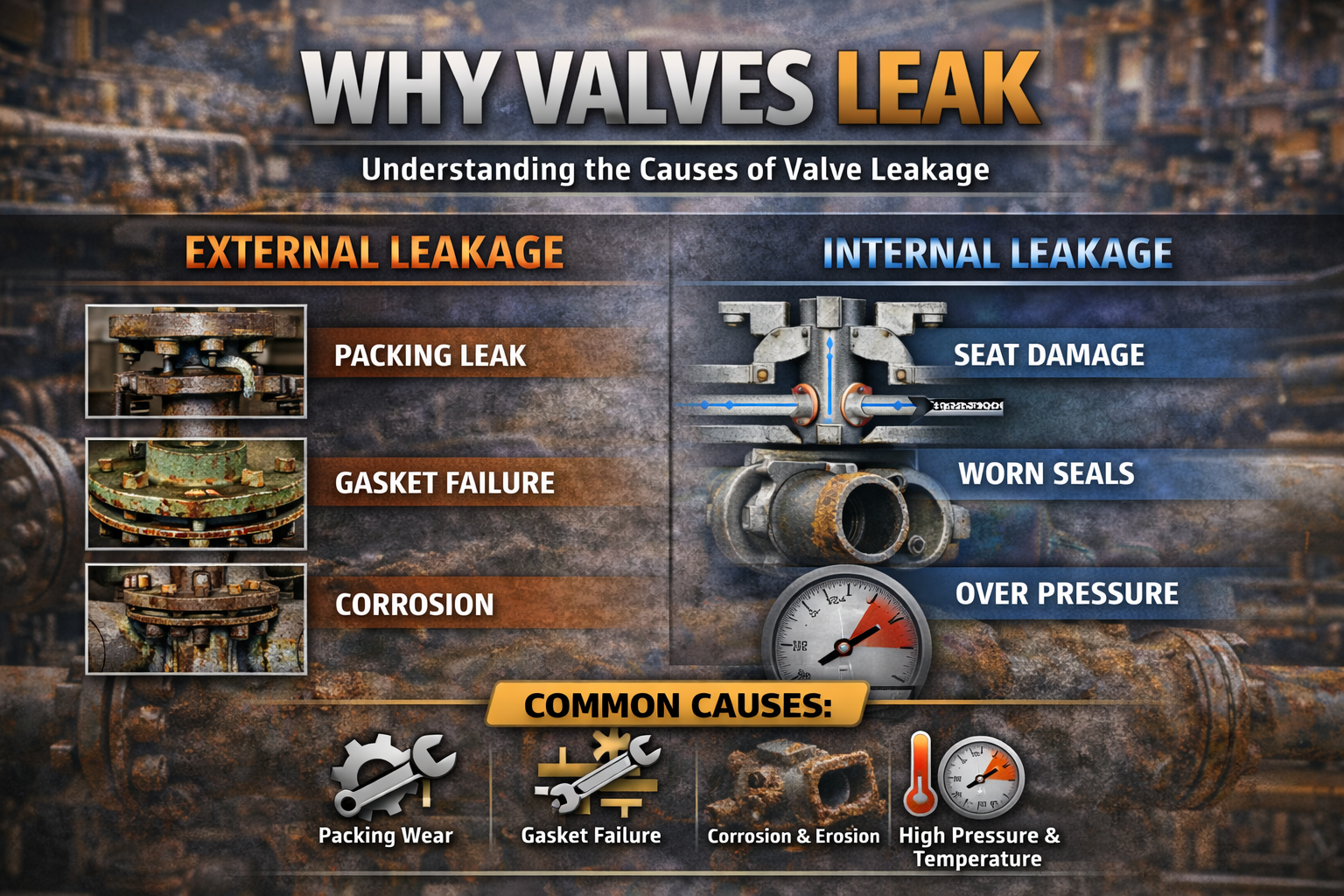
Valve leakage is one of the most common—and most misunderstood—issues in industrial piping systems. Whether it’s a gate valve in a water pipeline, a globe valve in a steam line, or a ball valve in a chemical plant, valves don’t leak randomly.
They leak because of design limits, operating conditions, installation quality, and time.
This article breaks down where valves leak, why it happens, and what it really means for EPCs, operators, and manufacturers.
1. The Two Main Types of Valve Leakage
Before talking about causes, it’s important to understand what “leakage” actually means.
1️⃣ External Leakage (to Atmosphere)
Leakage that escapes outside the valve body, usually visible.
Common locations:
- Stem / packing area
- Bonnet gasket
- Flange connections
- Body joints or casting defects
2️⃣ Internal Leakage (Seat Leakage)
Leakage through the valve when it is closed, but still contained inside the pipeline.
Commonly seen as:
- Valve fails shut-off test
- Pressure drop downstream
- Backflow when valve should be sealed
Both types have very different root causes.
2. Why Valves Leak Externally
🔹 A. Packing Wear & Stem Movement
Packing is designed to seal while allowing stem movement—a difficult job.
Leaks occur when:
- Frequent cycling causes packing wear
- Improper packing compression
- Thermal expansion causes relaxation
- Wrong packing material for temperature or media
👉 Frequent operation = higher leakage risk
🔹 B. Gasket Failure (Bonnet or Flange)
Gaskets fail not because they are “bad,” but because:
- Bolts lose preload over time
- Temperature cycles cause expansion & contraction
- Improper torque during installation
- Wrong gasket material for pressure/temperature
Even a perfect hydrotest does not guarantee long-term sealing.
🔹 C. Bolt Stress Relaxation
Bolts stretch under load. Over time:
- High temperature reduces bolt stiffness
- Creep and relaxation lower clamping force
- Gaskets lose compression → leakage begins
This is especially common in steam and hot oil services.
🔹 D. Corrosion & Erosion
External leakage often starts internally:
- Corrosion thins the body wall
- Pitting reaches pressure boundary
- Erosion near throttling points eats material away
Once metal loss reaches a critical level, leaks are unavoidable.
3. Why Valves Leak Internally (Seat Leakage)
🔹 A. Valve Type Used Incorrectly
Many valves are misapplied, not defective.
Examples:
- Gate valves used for throttling → seat damage
- Butterfly valves used at high ΔP → disc erosion
- Ball valves used with dirty media → seat scratching
👉 Wrong valve type = guaranteed leakage over time
🔹 B. Seat Wear & Deformation
Seats are precision sealing surfaces.
Damage occurs due to:
- Particles trapped between seat & disc
- High velocity flow erosion
- Thermal distortion
- Repeated slamming shut
Once the sealing surface is damaged, leakage is permanent.
🔹 C. Pressure & Temperature Beyond Design
Operating above design limits causes:
- Seat material softening
- Metal seat distortion
- Loss of contact stress
This is common in systems with:
- Pressure surges
- Steam hammer
- Rapid temperature changes
🔹 D. Manufacturing & Tolerance Issues
Even small issues matter:
- Poor surface finish
- Incorrect seat alignment
- Inadequate lapping
- Loose machining tolerances
Internal leakage is often not visible until commissioning or operation.
4. Installation & Maintenance: The Silent Contributors
Many leaks are not design problems, but human ones.
Common mistakes:
- Misaligned piping loads the valve
- Over-tightening packing
- Uneven flange bolt torque
- No re-torque after thermal cycles
- Valves left partially open for long periods
A good valve installed poorly will leak faster than a cheap valve installed correctly.
5. “Zero Leakage” Is a Myth (Most of the Time)
Industry standards (API, ISO) allow leakage classes for a reason.
Key reality:
- Metal-to-metal seats always leak slightly
- Soft seats degrade over time
- Temperature & pressure constantly change
The goal is controlled, acceptable leakage, not perfection.
6. How to Reduce Valve Leakage in Real Projects
For EPCs & operators:
- Select valve type based on service, not cost
- Match materials to temperature, pressure, and media
- Avoid throttling with on-off valves
- Specify proper packing & gasket materials
- Enforce correct installation & torque procedures
For manufacturers:
- Control machining tolerances
- Improve seat finishing
- Design for thermal expansion
- Provide clear operation limits
Final Thoughts
Valves leak because they are mechanical systems operating under stress, not because they are poorly made by default.
Understanding where leakage comes from allows engineers and buyers to:
- Specify the right valve
- Reduce unplanned downtime
- Extend service life
- Avoid blaming the wrong root cause
In valve engineering, leakage is not a surprise, but a consequence.
Latest news

Leadership Philosophy
February 14, 2025
Read more
Major Mission
December 25, 2024
Read more
Market Trends in the Valve Industry: Key Developments and Projections for the Next Five Years
December 26, 2024
Read more
Most Valve Failures Are Material Failures, Not Design Failures
December 29, 2025
Read more
The Six Main Types of Industrial Valves — and When to Use Them
December 30, 2025
Read more
Why Gate Valves Should Not Be Used for Throttling
December 30, 2025
Read more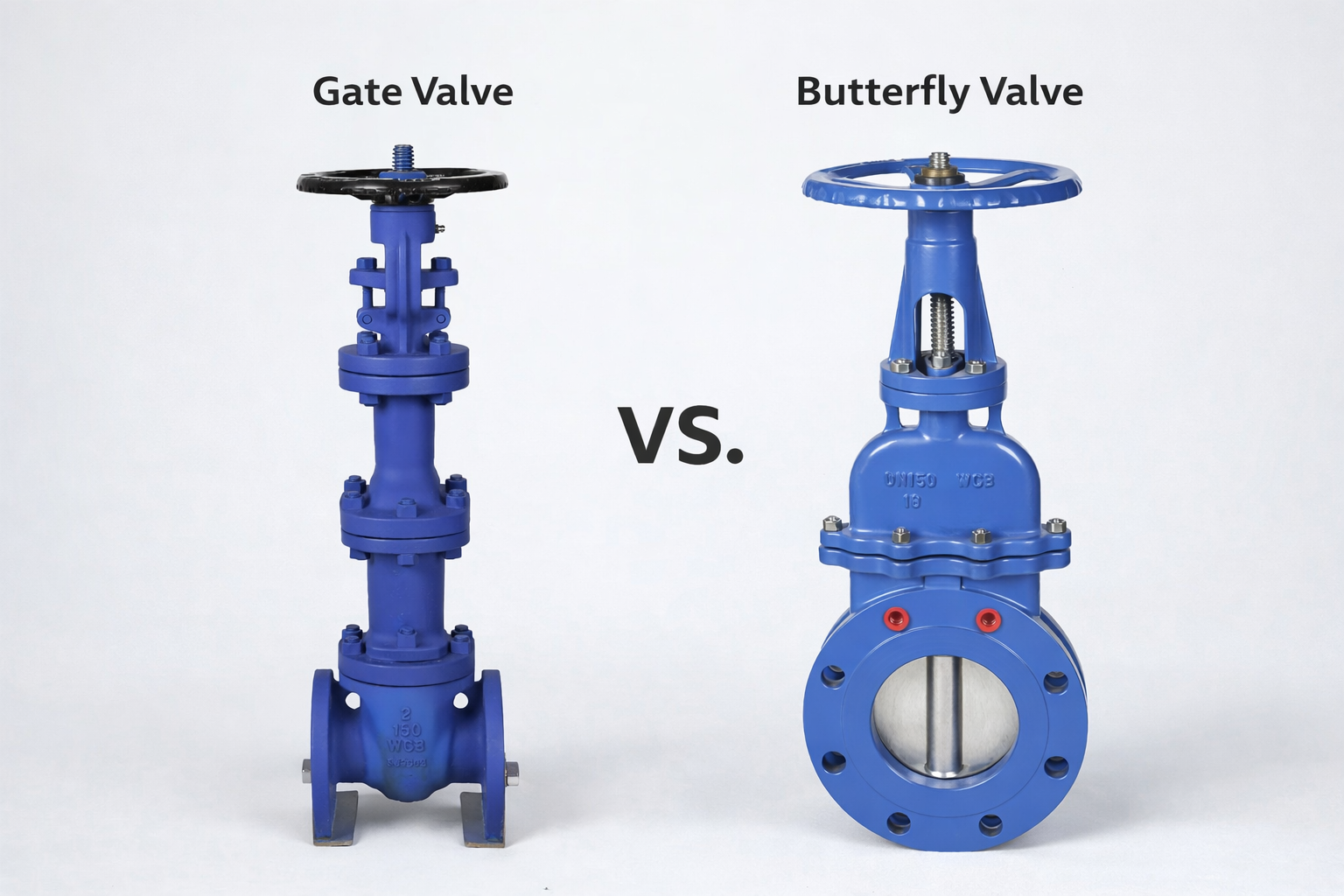
Butterfly vs Gate Valves: Choosing the Right Valve for Large Pipelines
January 1, 2026
Read moreWhy Valves Leak: The Real Reasons Behind a Common Industrial Problem
January 2, 2026
Read more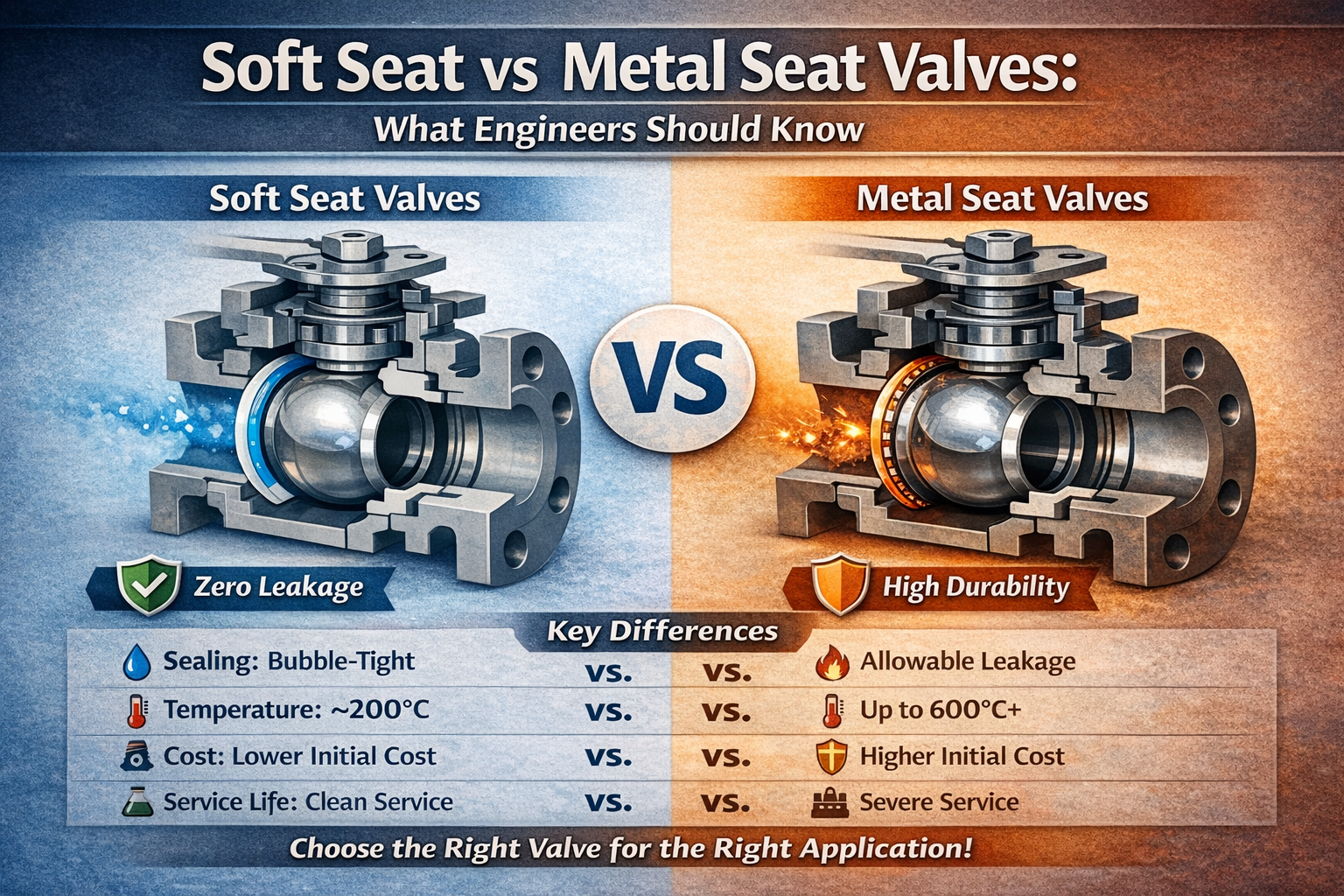
Soft Seat vs Metal Seat Valves: What Engineers Should Know
January 3, 2026
Read more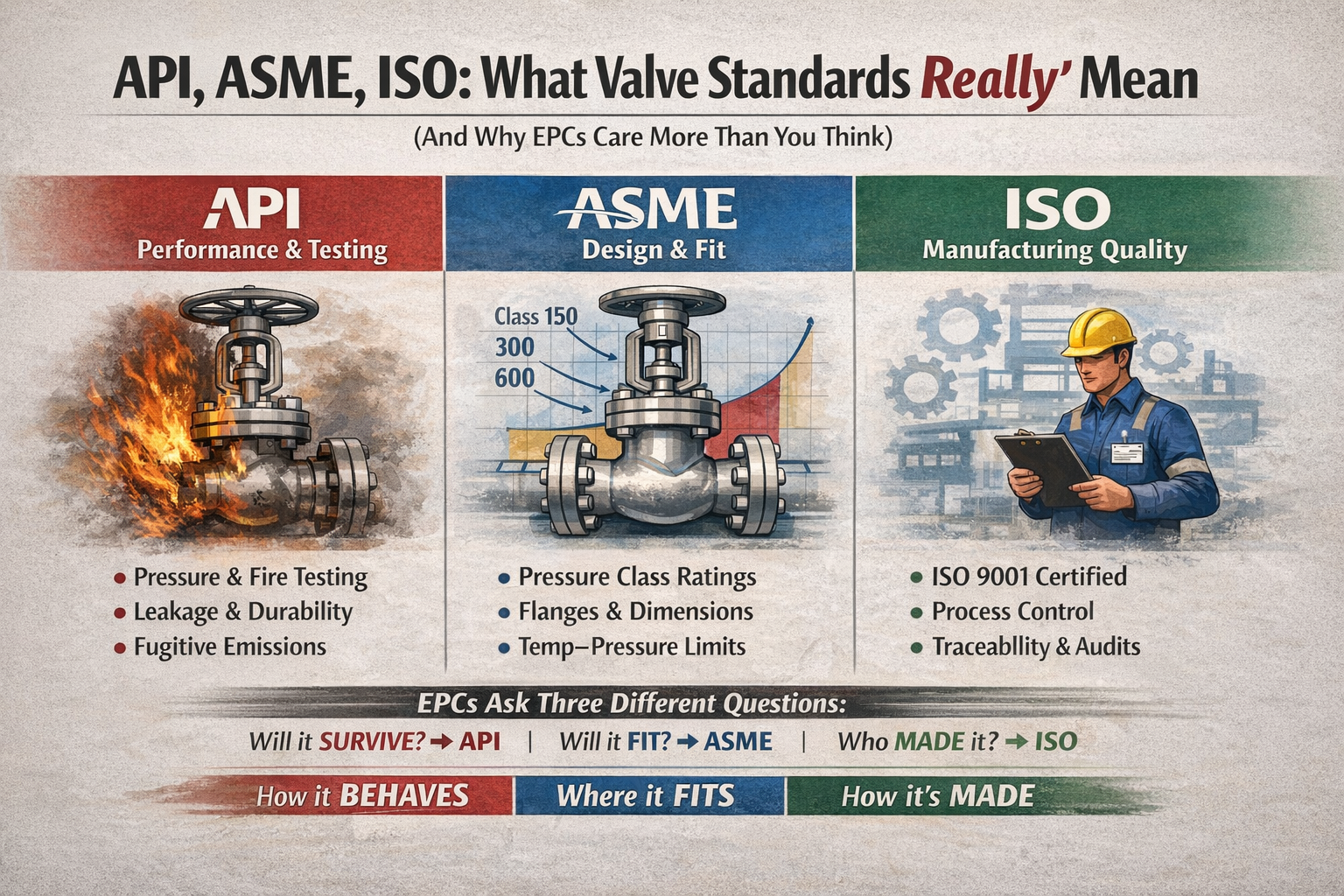
API, ASME, ISO: What Valve Standards Really Mean
January 4, 2026
Read more
Valve Selection Challenges in Oil & Gas Projects
January 5, 2026
Read more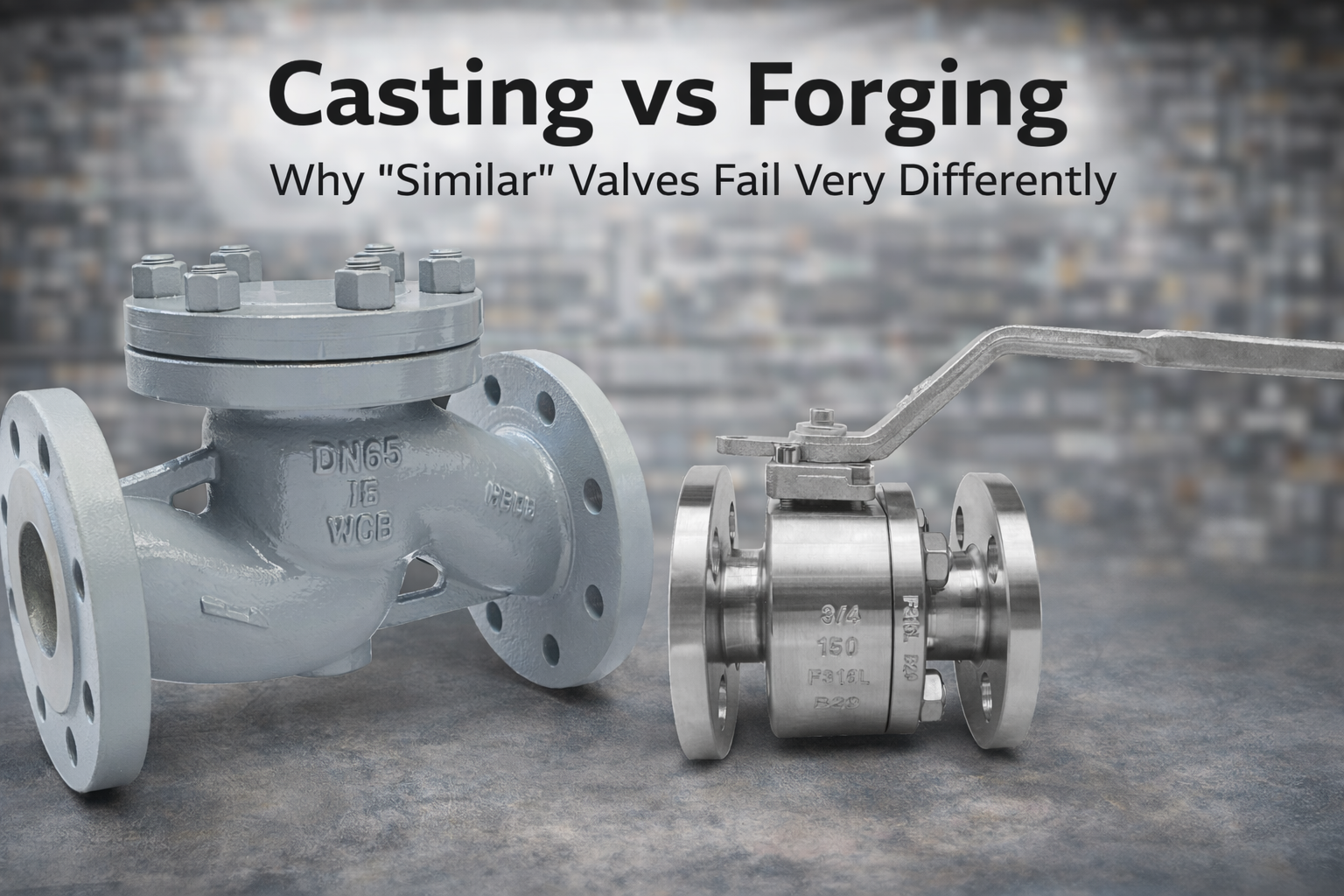
Casting vs Forging
January 6, 2026
Read more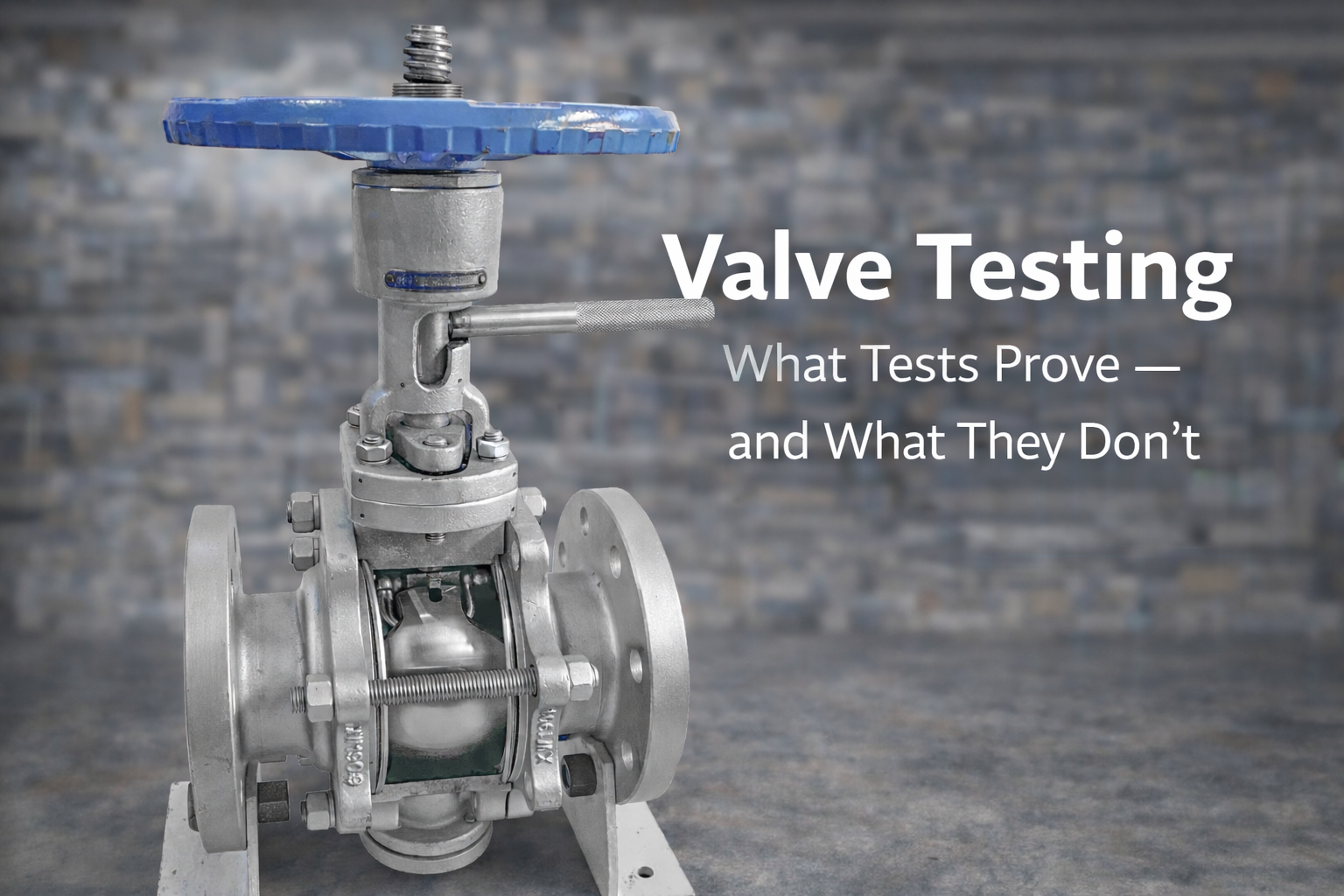
Valve Testing: What Tests Prove — and What They Don’t
January 8, 2026
Read more
10 Things Nobody Told You About Being a Web Designer
June 21, 2024
Read more
5 Web Design Blogs You Should Be Reading
June 21, 2024
Read more
7 Ways To Improve Website Usability And Accessibility
June 21, 2024
Read more
20 Myths About Web Design
June 28, 2024
Read more
Designers Who Changed the Web
June 21, 2024
Read more
The History Of Web Design
June 21, 2024
Read more
10 Great Examples of Responsive Websites
June 21, 2024
Read more
10 Quick Tips About Blogging
June 21, 2024
Read more
7 of the Best Examples of Beautiful Blog Design
June 21, 2024
Read more
