Create:
June 21, 2024
API, ASME, ISO: What Valve Standards Really Mean
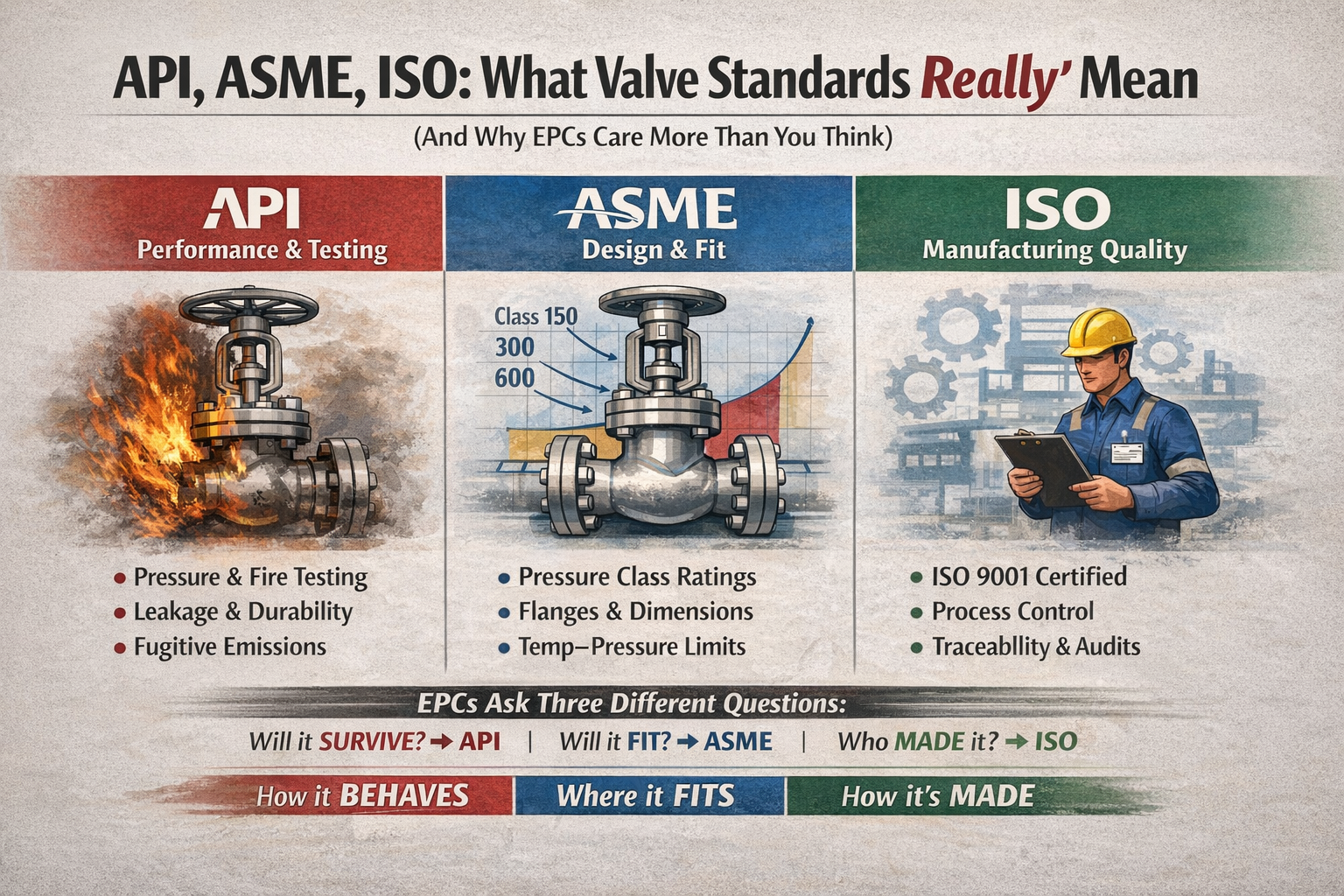
In valve specifications, API, ASME, and ISO often appear side by side.
Many suppliers list all three proudly—yet few explain what each one actually controls.
This confusion leads to:
- Rejected bids
- EPC technical clarifications
- Valves that are “compliant” but still unacceptable
This article breaks down what these standards really mean, what they do not, and how EPCs use them in real projects.
API — Performance Under Real Service Conditions
API standards focus on how a valve performs, especially in harsh industries like oil & gas, petrochemical, and power generation.
What API controls
- Pressure containment
- Seat tightness
- Cycle life
- Fire safety
- Fugitive emissions
- Inspection & testing procedures
Common API valve standards include:
- API 600 – Steel gate valves
- API 602 – Forged valves
- API 608 – Ball valves
- API 609 – Butterfly valves
- API 598 – Inspection & testing
- API 607 / API 6FA – Fire testing
What API does not control
- Factory management quality
- Production consistency
- Documentation systems
📌 What EPCs think when they see API:
“This valve has proven performance criteria and defined failure limits.”
ASME — Design Rules & System Compatibility
ASME standards define how valves fit into piping systems.
ASME does not test how well a valve seals—it defines design boundaries.
What ASME controls
- Pressure class ratings (150 / 300 / 600 / 900…)
- Pressure–temperature curves
- Body wall thickness
- Flange dimensions
- Material stress limits
Key ASME standards:
- ASME B16.34 – Valve design rules
- ASME B16.5 / B16.47 – Flange dimensions
- ASME B31.1 / B31.3 – Piping codes
What ASME does not control
- Seat leakage rate
- Fire-safe behavior
- Valve cycling durability
📌 What EPCs think when they see ASME:
“This valve will fit the piping and survive system pressure and temperature.”
ISO — Manufacturing & Quality Systems
ISO standards govern how valves are manufactured, not how they perform in service.
The most common requirement is ISO 9001.
What ISO controls
- Quality management systems
- Process consistency
- Traceability
- Document control
- Corrective actions
Typical ISO standards:
- ISO 9001 – Quality management
- ISO 14001 – Environmental management
- ISO 45001 – Occupational safety
What ISO does not control
- Pressure rating
- Fire testing
- Seat tightness
- Valve design limits
📌 What EPCs think when they see ISO 9001:
“This supplier can manufacture consistently and be audited.”
How EPCs Actually Combine API, ASME, and ISO
EPC questions → which standard answers them
- Will the valve seal properly under pressure?
→ API (seat tightness, shell test, leakage criteria) - Will the valve survive a fire event?
→ API (API 607 / API 6FA fire testing) - Does the valve match Class 150 / 300 / 600 piping?
→ ASME (pressure class & flange dimensions) - Is the pressure rating valid at high temperature (e.g. 400°C)?
→ ASME (pressure–temperature curves, material stress limits) - Is the supplier capable of consistent, auditable production?
→ ISO (ISO 9001 quality management system)
A typical EPC specification might read:
API 600 gate valve, ASME B16.34 Class 300, ISO 9001 certified manufacturer
Each line answers a different risk.
Common Misunderstandings That Cause Bid Rejection
❌ “ISO certified valve”
→ ISO certifies the factory, not the valve.
❌ “ASME valve”
→ ASME defines design limits, not sealing performance.
❌ “API quality valve”
→ API defines performance requirements, not manufacturing discipline.
❌ Listing all standards without clarity
→ EPCs may ask for clarification—or reject the bid.
The One Rule to Remember
- API = How the valve behaves
- ASME = Where the valve fits
- ISO = How the valve is made
No single standard is sufficient on its own.
Final Thoughts for Suppliers & EPC-Facing Manufacturers
Understanding standards isn’t about adding more logos to your catalog.
It’s about matching the right standard to the right risk.
Suppliers who clearly explain which standard solves which problem:
- Reduce EPC questions
- Improve technical acceptance
- Win trust faster
Latest news

Leadership Philosophy
February 14, 2025
Read more
Major Mission
December 25, 2024
Read more
Market Trends in the Valve Industry: Key Developments and Projections for the Next Five Years
December 26, 2024
Read more
Most Valve Failures Are Material Failures, Not Design Failures
December 29, 2025
Read more
The Six Main Types of Industrial Valves — and When to Use Them
December 30, 2025
Read more
Why Gate Valves Should Not Be Used for Throttling
December 30, 2025
Read more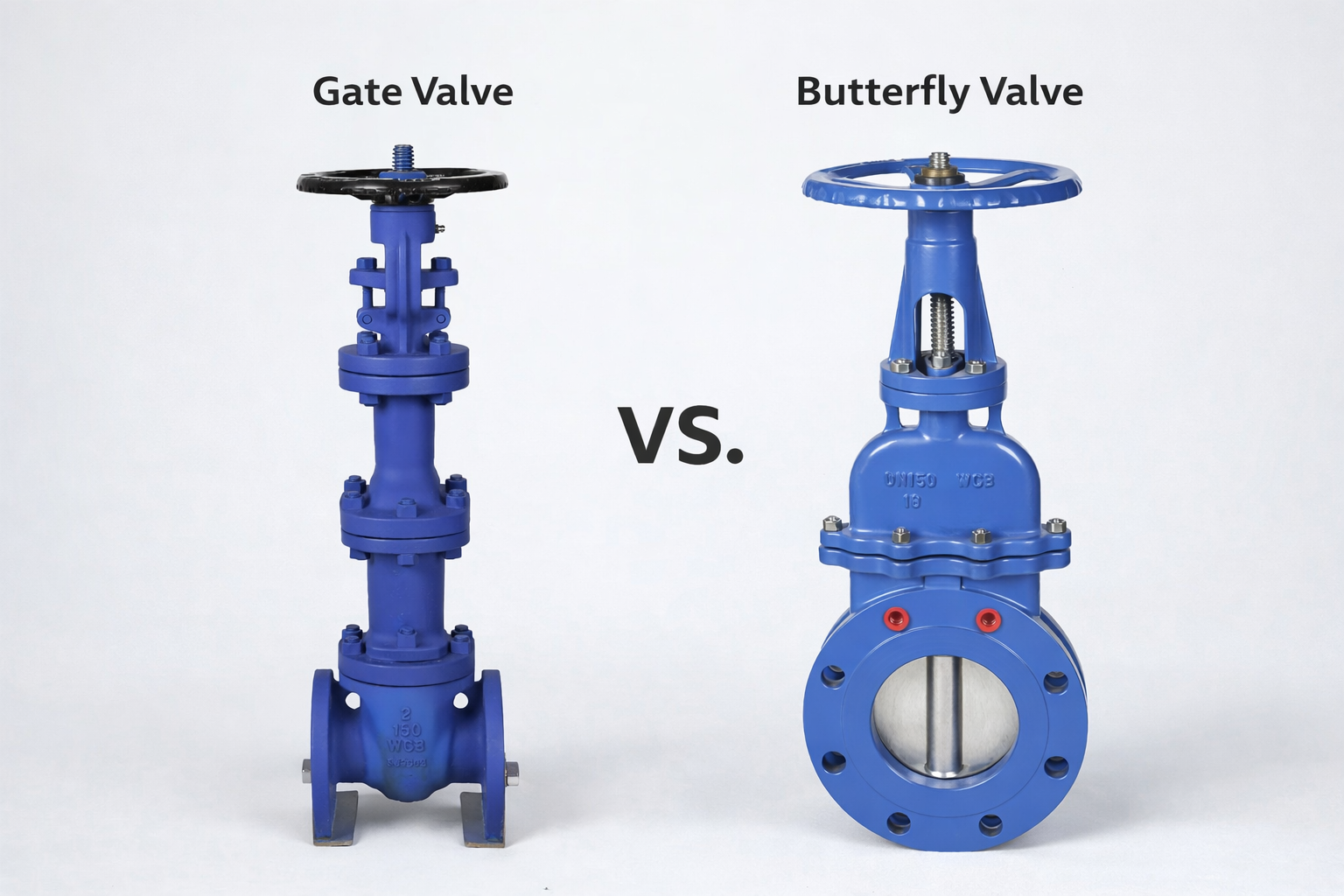
Butterfly vs Gate Valves: Choosing the Right Valve for Large Pipelines
January 1, 2026
Read more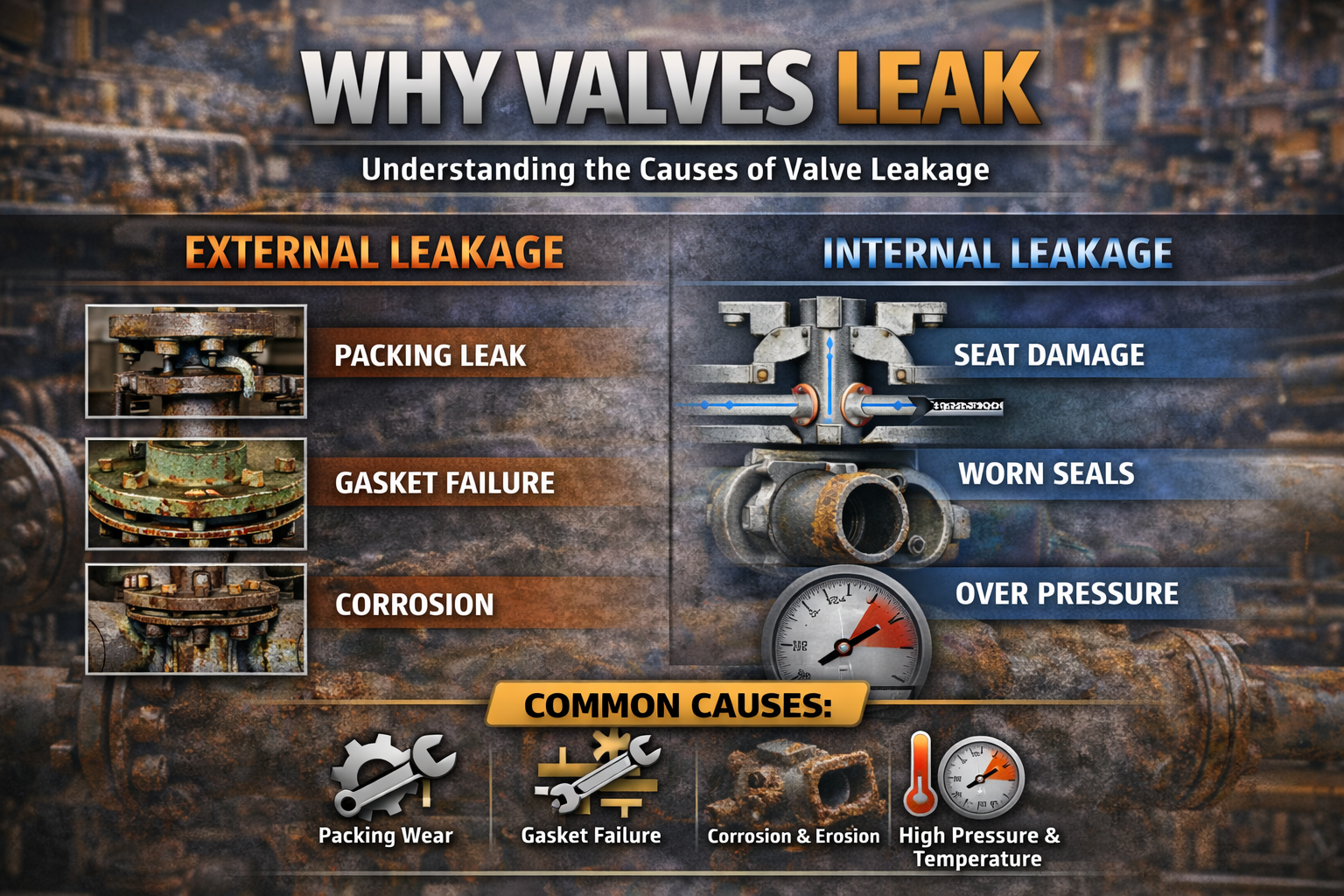
Why Valves Leak: The Real Reasons Behind a Common Industrial Problem
January 2, 2026
Read more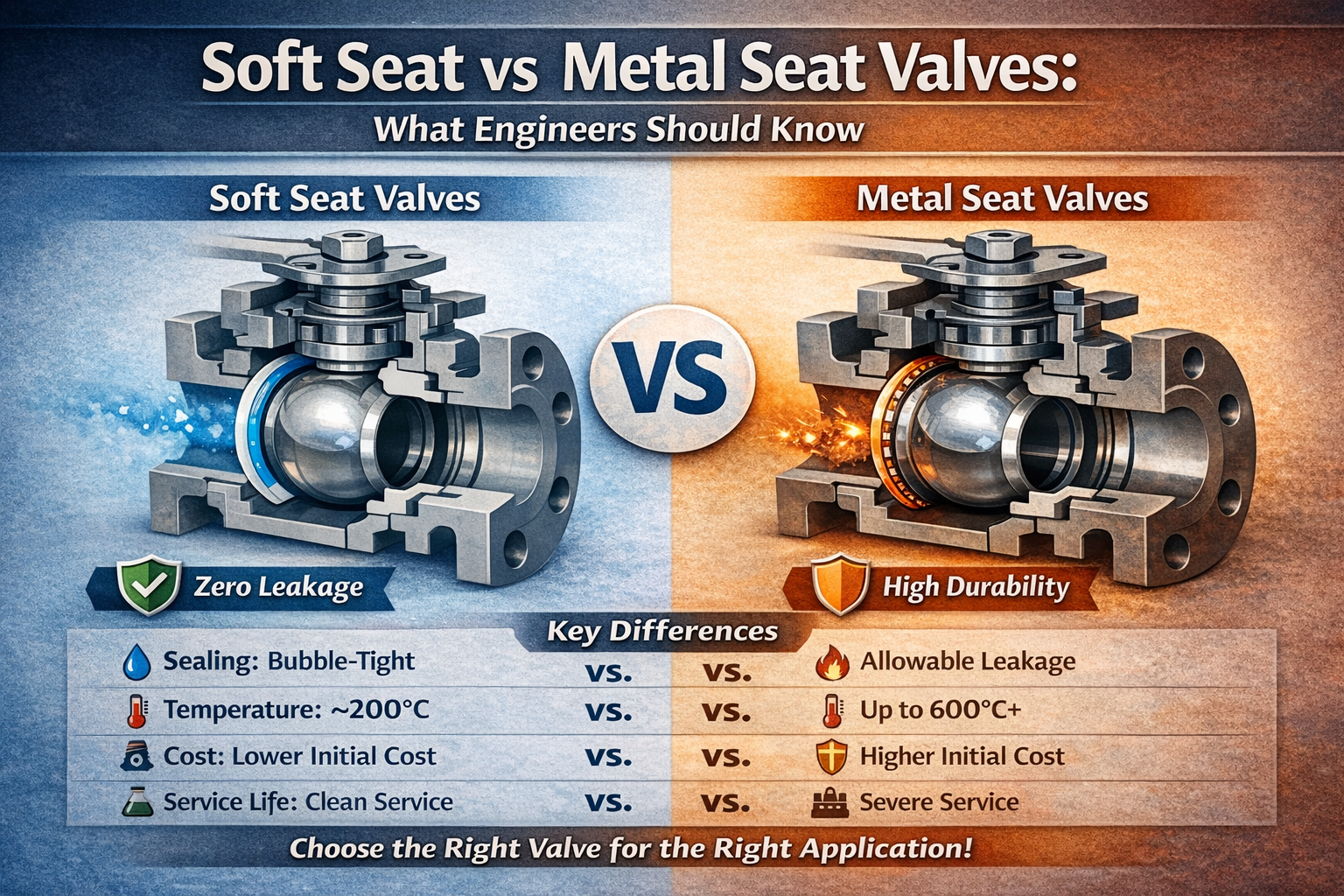
Soft Seat vs Metal Seat Valves: What Engineers Should Know
January 3, 2026
Read moreAPI, ASME, ISO: What Valve Standards Really Mean
January 4, 2026
Read more
Valve Selection Challenges in Oil & Gas Projects
January 5, 2026
Read more
Casting vs Forging
January 6, 2026
Read more
Valve Testing: What Tests Prove — and What They Don’t
January 8, 2026
Read more
10 Things Nobody Told You About Being a Web Designer
June 21, 2024
Read more
5 Web Design Blogs You Should Be Reading
June 21, 2024
Read more
7 Ways To Improve Website Usability And Accessibility
June 21, 2024
Read more
20 Myths About Web Design
June 28, 2024
Read more
Designers Who Changed the Web
June 21, 2024
Read more
The History Of Web Design
June 21, 2024
Read more
10 Great Examples of Responsive Websites
June 21, 2024
Read more
10 Quick Tips About Blogging
June 21, 2024
Read more
7 of the Best Examples of Beautiful Blog Design
June 21, 2024
Read more
