Create:
June 21, 2024
Most Valve Failures Are Material Failures, Not Design Failures
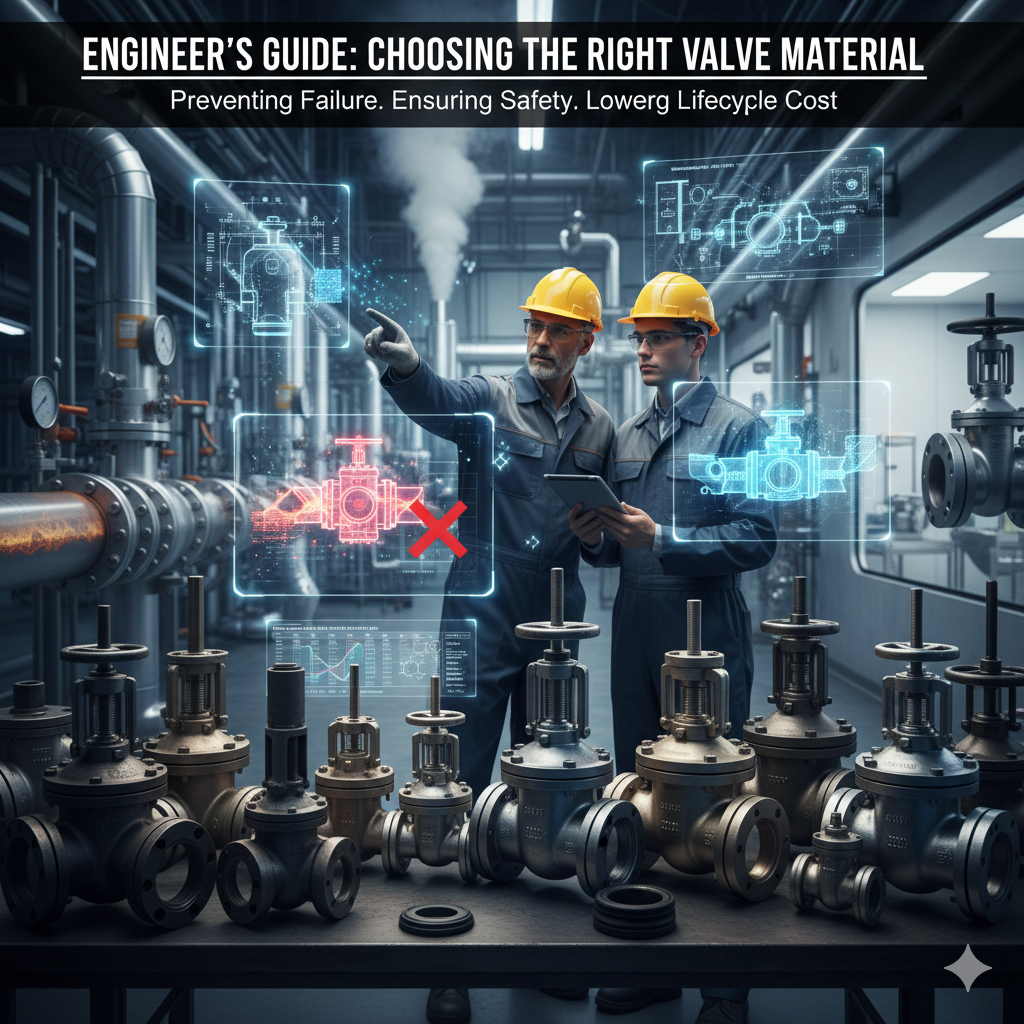
The Engineer's Guide: Choosing the Right Valve Material to Prevent Failure
Choosing the right valve material is one of the most critical decisions in any piping system. In practice, many valve failures are not caused by poor design, but by incorrect material selection. Two valves may look identical, yet perform very differently simply because of the materials used.
This article breaks down how to choose valve materials logically, based on media, pressure, temperature, and industry requirements, ensuring system integrity and longevity.
1. Start with the Process Media: What Flows Through the Valve?
Material selection should always begin with the chemical and physical properties of the media, not with valve type or price. Different media attack materials in different ways:
- Clean water is relatively forgiving.
- Steam introduces high temperature and erosion risks.
- Chemicals may cause corrosion or swelling of elastomeric components.
- Slurries and dirty fluids create severe abrasion and wear.
- Food and pharmaceutical fluids strictly require hygiene, smooth surfaces, and high cleanability.
2. Understand Pressure and Temperature Together
Pressure ratings alone can be misleading because a valve’s allowable pressure dramatically decreases as temperature increases. High pressure and high temperature typically require:
- Carbon steel or alloy steel bodies.
- Metal-seated designs.
- Conservative pressure class selection.
In steam and power applications, material strength and thermal stability are often more important than immediate corrosion resistance.
3. Choose the Right Body Material
Valve body materials define the structural integrity of the valve and its primary defense against the environment.
As a general rule: Strength dominates in high-pressure systems, while corrosion resistance dominates in chemical systems.
Common body materials and applications:
- Cast iron / ductile iron: municipal water and wastewater systems
- Carbon steel (WCB): power plants, oil & gas, high-pressure services
- Stainless steel (CF8 / CF8M): chemical, food, and corrosive environments
- Duplex stainless steel: seawater, offshore, chloride-rich environments
- High-alloy materials (e.g. Hastelloy): severe chemical corrosion
4. Prioritize Seat and Seal Materials
Seat and sealing materials often fail before the valve body does, leading to leaks and compromised service.
- Soft Seats (PTFE): Provide excellent tight shutoff (bubble-tight) but are sensitive to high temperature and abrasive media.
- Reinforced Polymers (PEEK): Extend temperature capability beyond standard soft seats.
- Metal Seats: Tolerate high temperature, high pressure, and dirty service, but sacrifice bubble-tight sealing for durability.
Crucial Point: A valve with the wrong seat material may fail prematurely even if the body material is perfectly correct.
5. Match Materials to Industry Requirements
Different industries prioritize different risks and compliance standards, which dictate material choice:
- Municipal Water: Focuses on cost, general corrosion resistance, and large diameters.
- Power Generation: Prioritizes pressure, high temperature stability, and reliability.
- Oil & Gas: Demands fire safety (API standards), leakage control, and high structural integrity.
- Chemical Processing: Requires absolute compatibility with aggressive media to prevent catastrophic failure.
- Pharmaceutical/Food: Requires smooth surfaces, full cleanability (CIP/SIP), and complete material traceability.
Final Thought: Think in Lifecycle Cost, Not Purchase Price
The cheapest valve upfront is often the most expensive over time. Incorrect material selection can lead to premature leakage, unplanned shutdowns, frequent maintenance, and significant safety risks.
A slightly higher material cost at the beginning—ensuring the right fit for the service—often results in a dramatically lower total cost of ownership. Valve selection is not about choosing the “best” material, but the right material for the specific service conditions. Material knowledge is often the difference between a commodity supplier and a trusted partner.
Latest news

Leadership Philosophy
February 14, 2025
Read more
Major Mission
December 25, 2024
Read more
Market Trends in the Valve Industry: Key Developments and Projections for the Next Five Years
December 26, 2024
Read moreMost Valve Failures Are Material Failures, Not Design Failures
December 29, 2025
Read more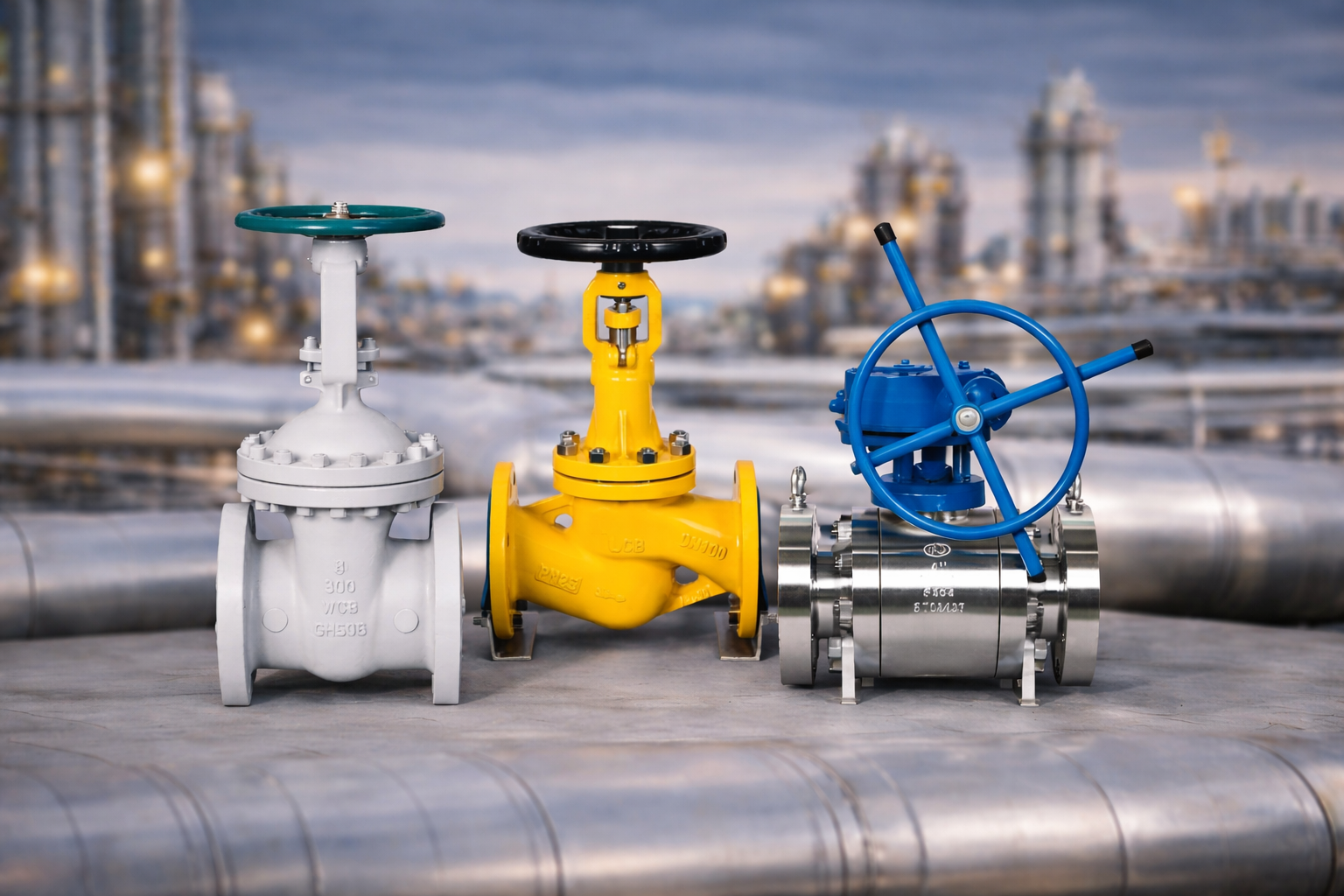
The Six Main Types of Industrial Valves — and When to Use Them
December 30, 2025
Read more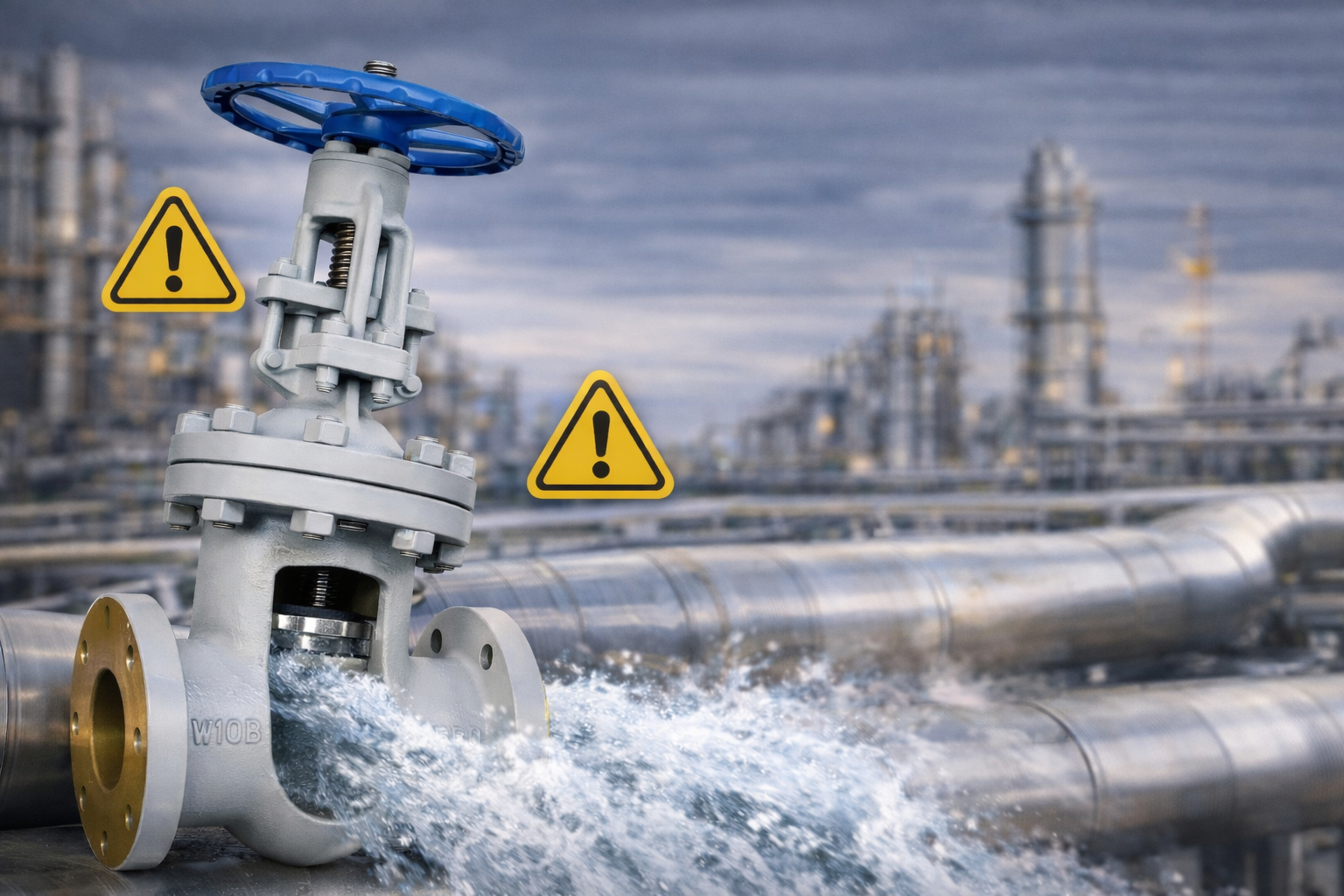
Why Gate Valves Should Not Be Used for Throttling
December 30, 2025
Read more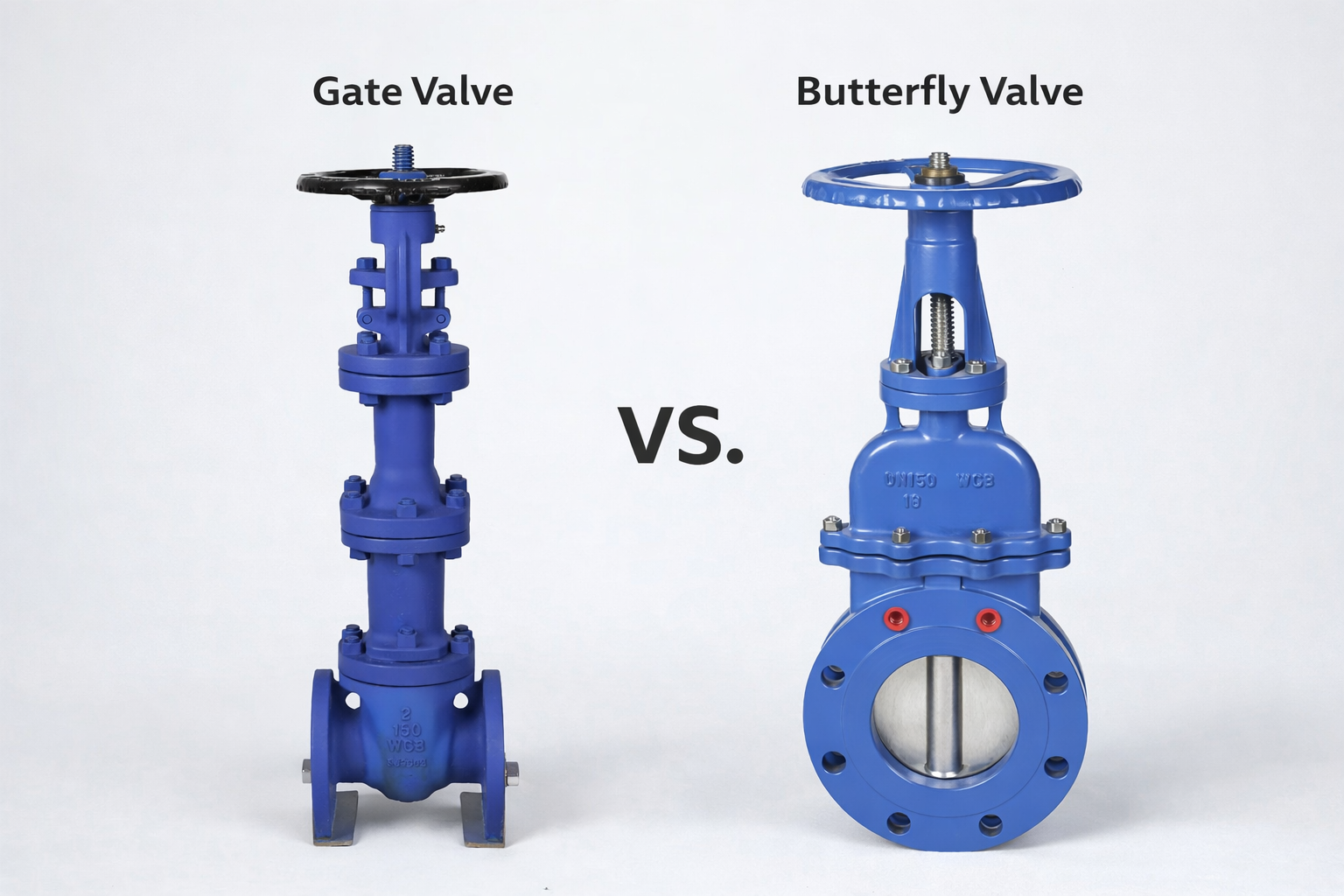
Butterfly vs Gate Valves: Choosing the Right Valve for Large Pipelines
January 1, 2026
Read more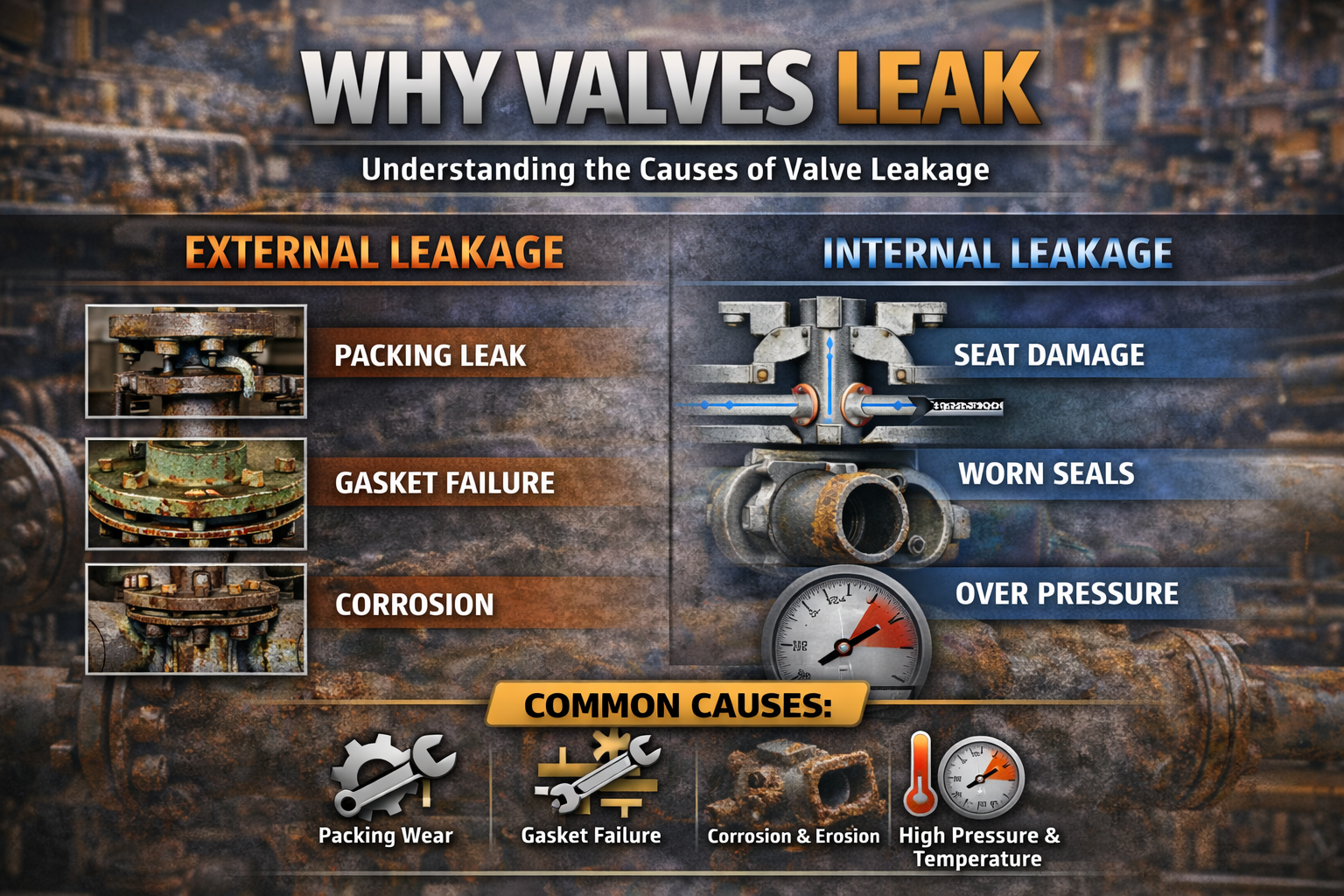
Why Valves Leak: The Real Reasons Behind a Common Industrial Problem
January 2, 2026
Read more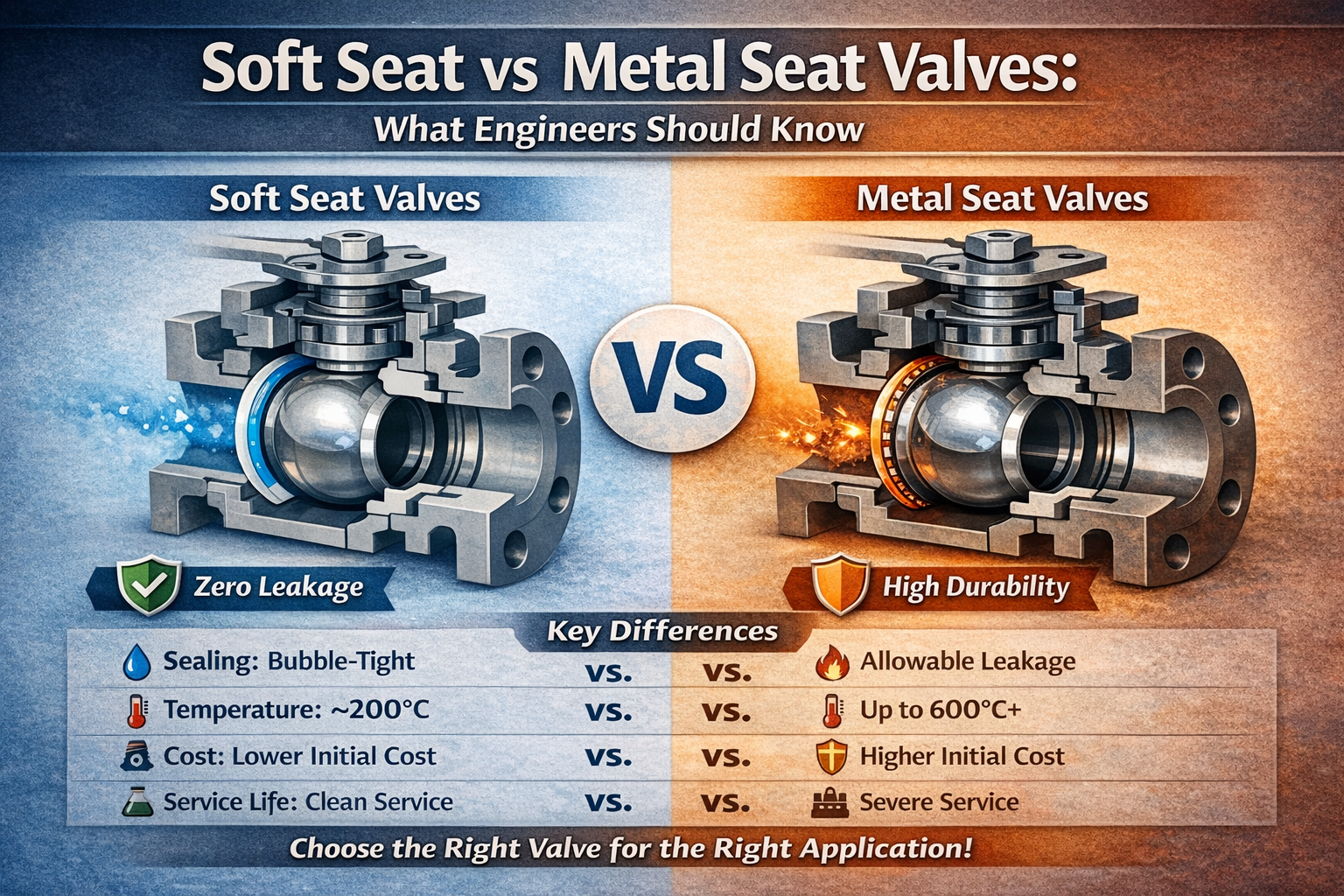
Soft Seat vs Metal Seat Valves: What Engineers Should Know
January 3, 2026
Read more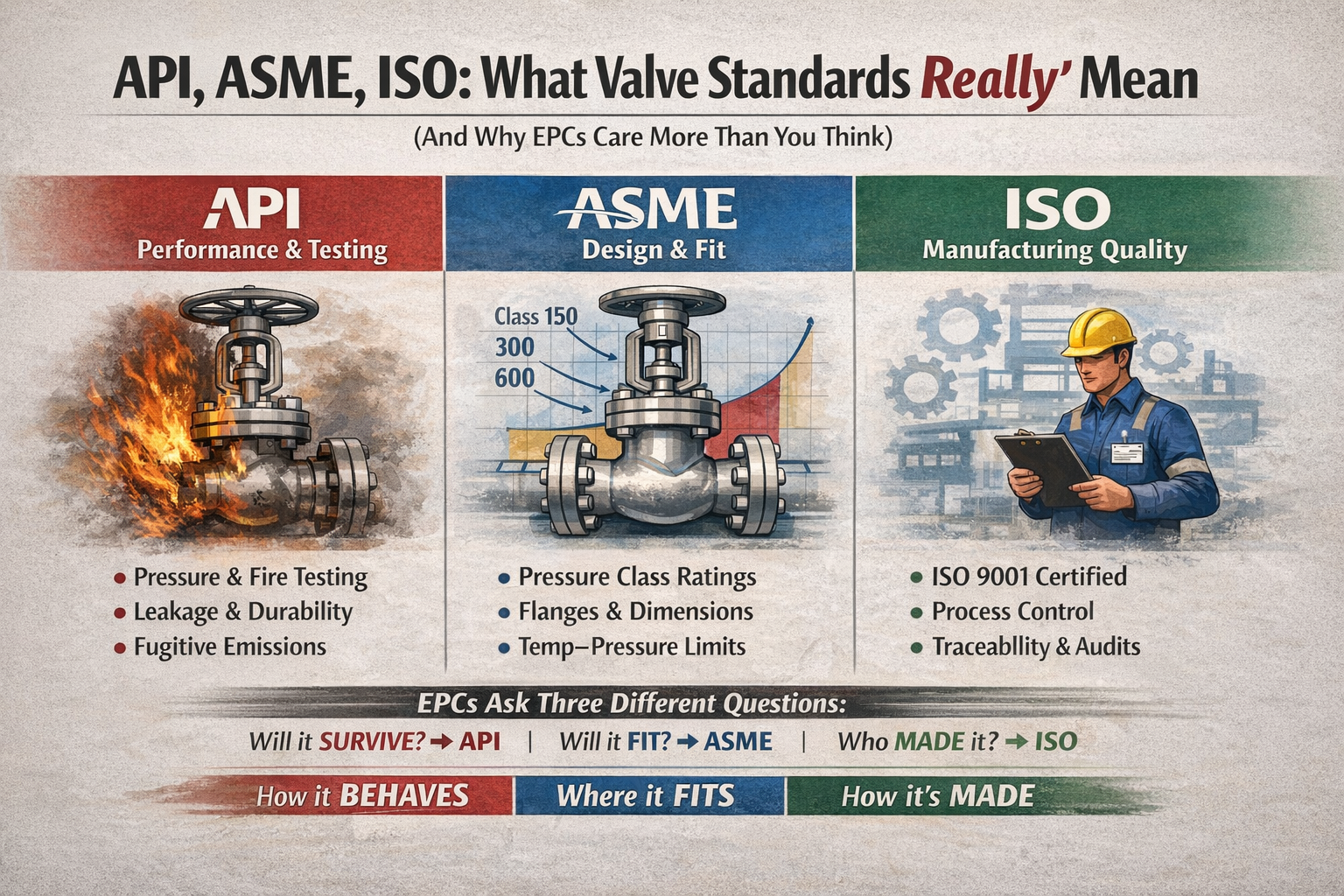
API, ASME, ISO: What Valve Standards Really Mean
January 4, 2026
Read more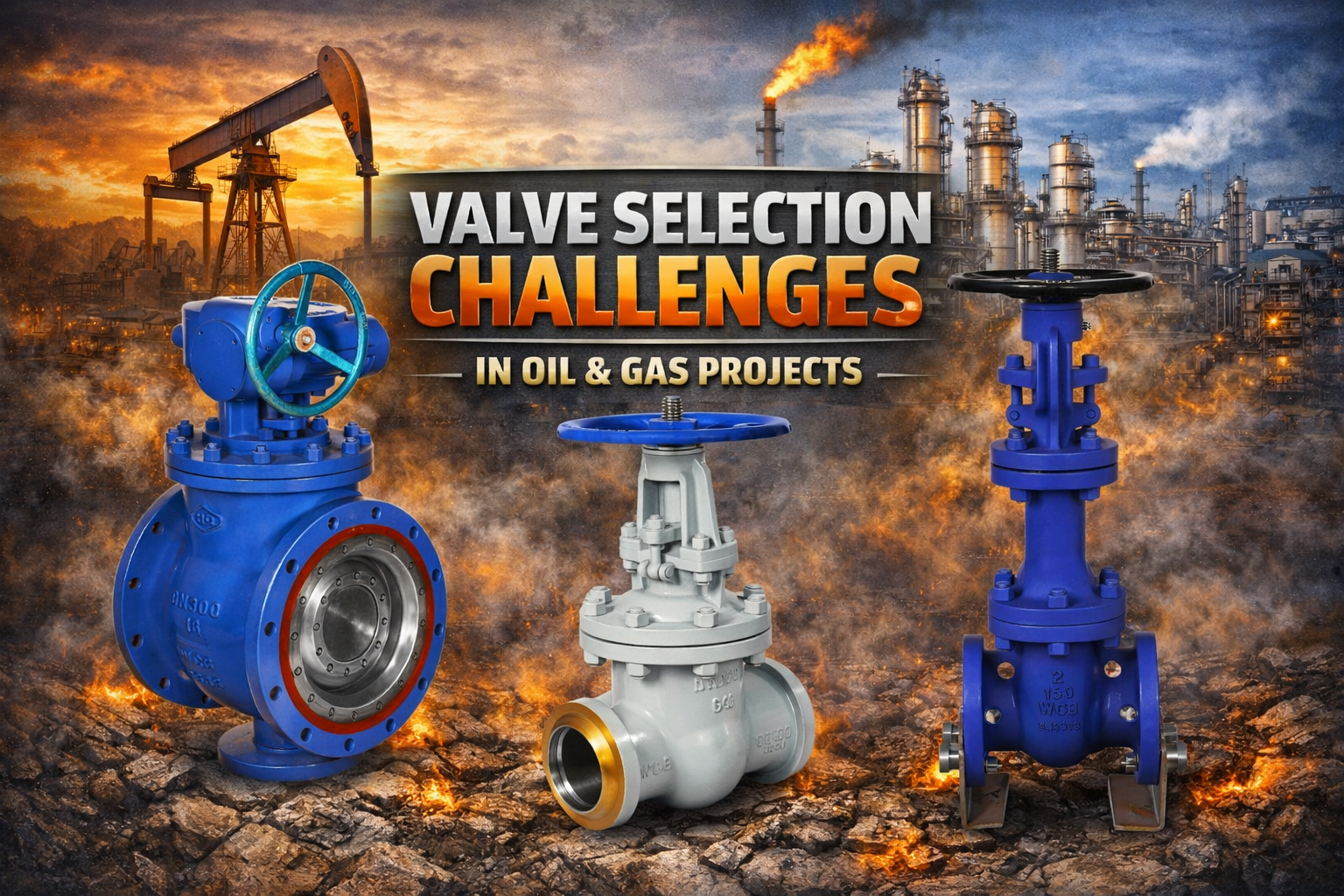
Valve Selection Challenges in Oil & Gas Projects
January 5, 2026
Read more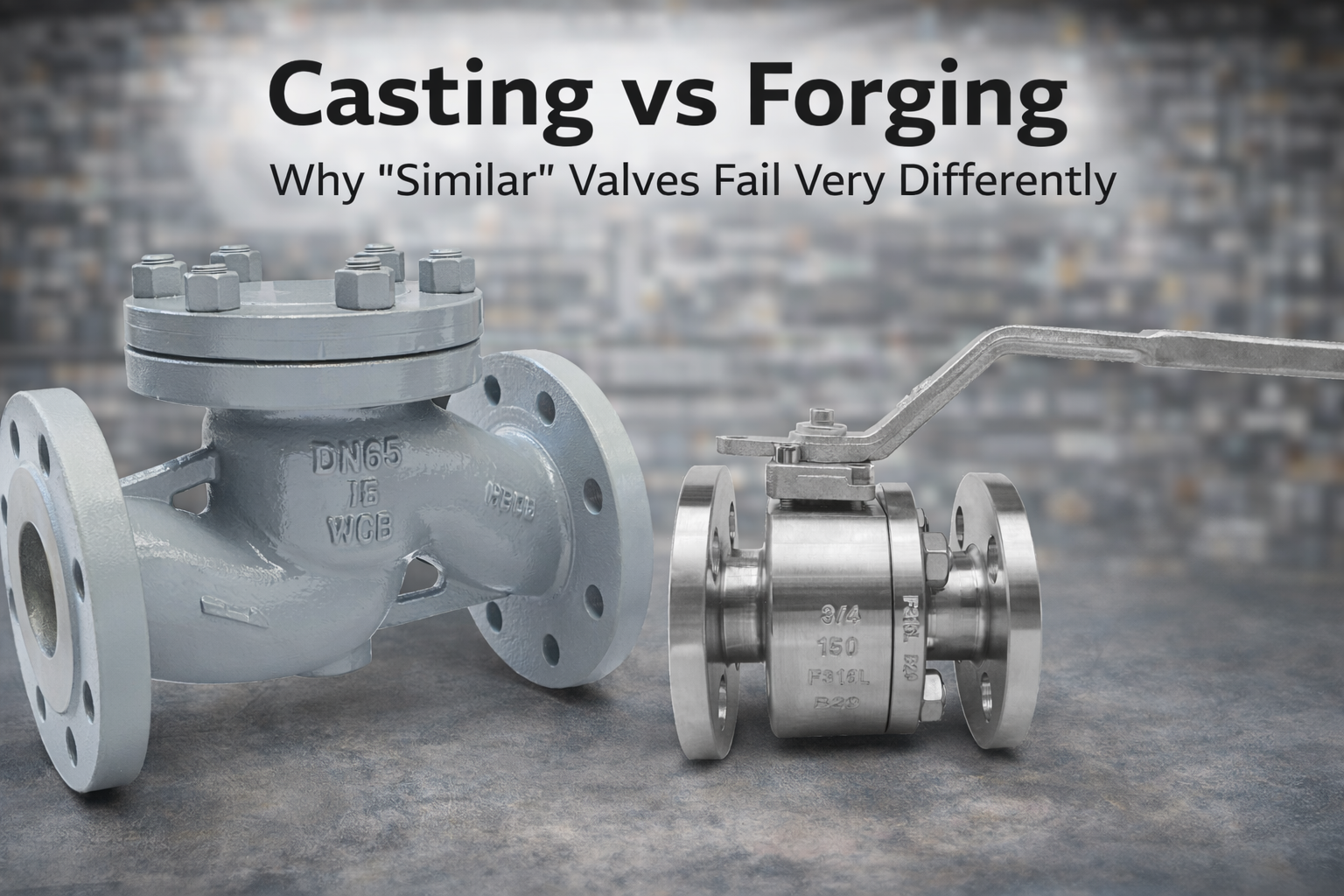
Casting vs Forging
January 6, 2026
Read more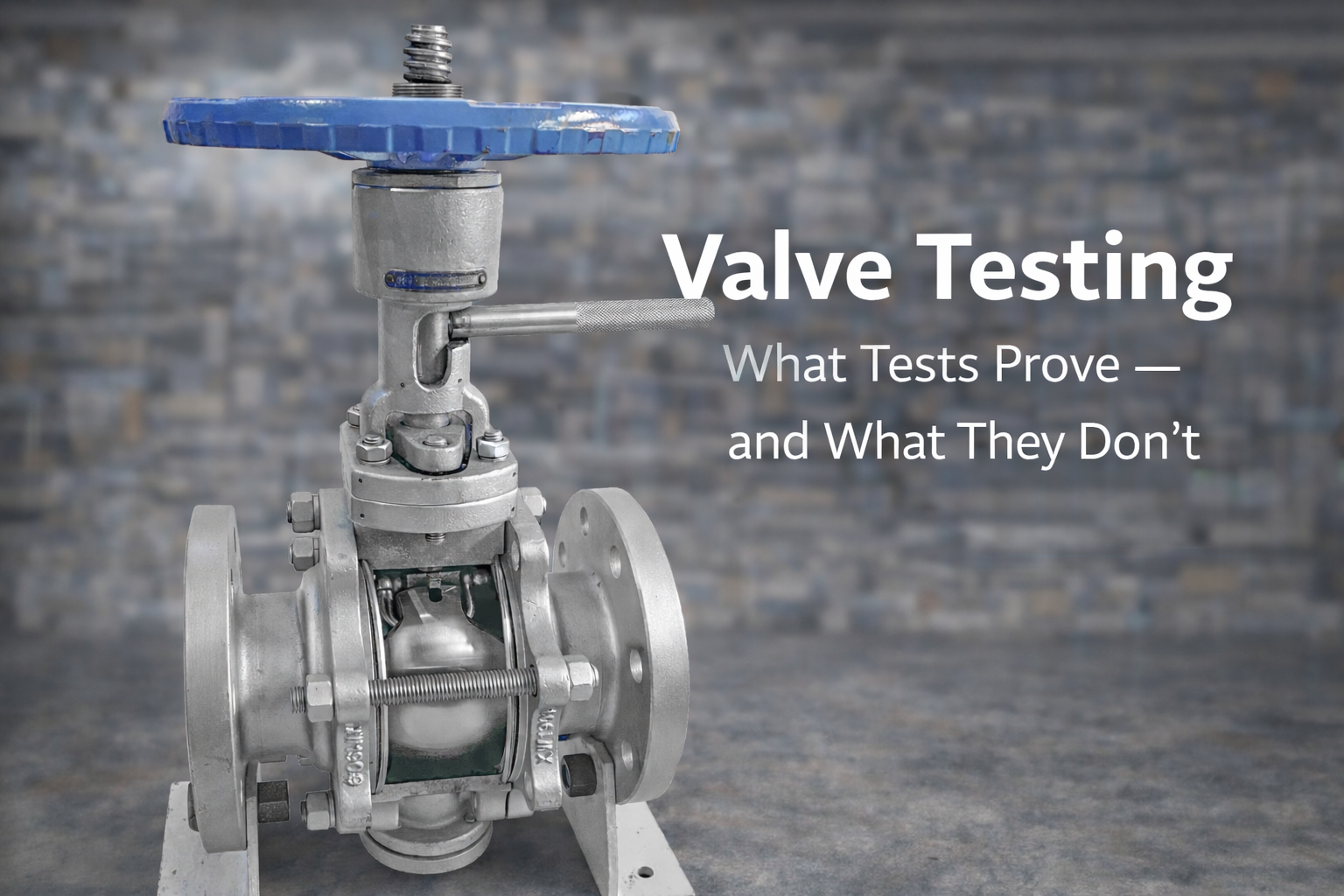
Valve Testing: What Tests Prove — and What They Don’t
January 8, 2026
Read more
10 Things Nobody Told You About Being a Web Designer
June 21, 2024
Read more
5 Web Design Blogs You Should Be Reading
June 21, 2024
Read more
7 Ways To Improve Website Usability And Accessibility
June 21, 2024
Read more
20 Myths About Web Design
June 28, 2024
Read more
Designers Who Changed the Web
June 21, 2024
Read more
The History Of Web Design
June 21, 2024
Read more
10 Great Examples of Responsive Websites
June 21, 2024
Read more
10 Quick Tips About Blogging
June 21, 2024
Read more
7 of the Best Examples of Beautiful Blog Design
June 21, 2024
Read more
