Create:
June 21, 2024
The Six Main Types of Industrial Valves — and When to Use Them
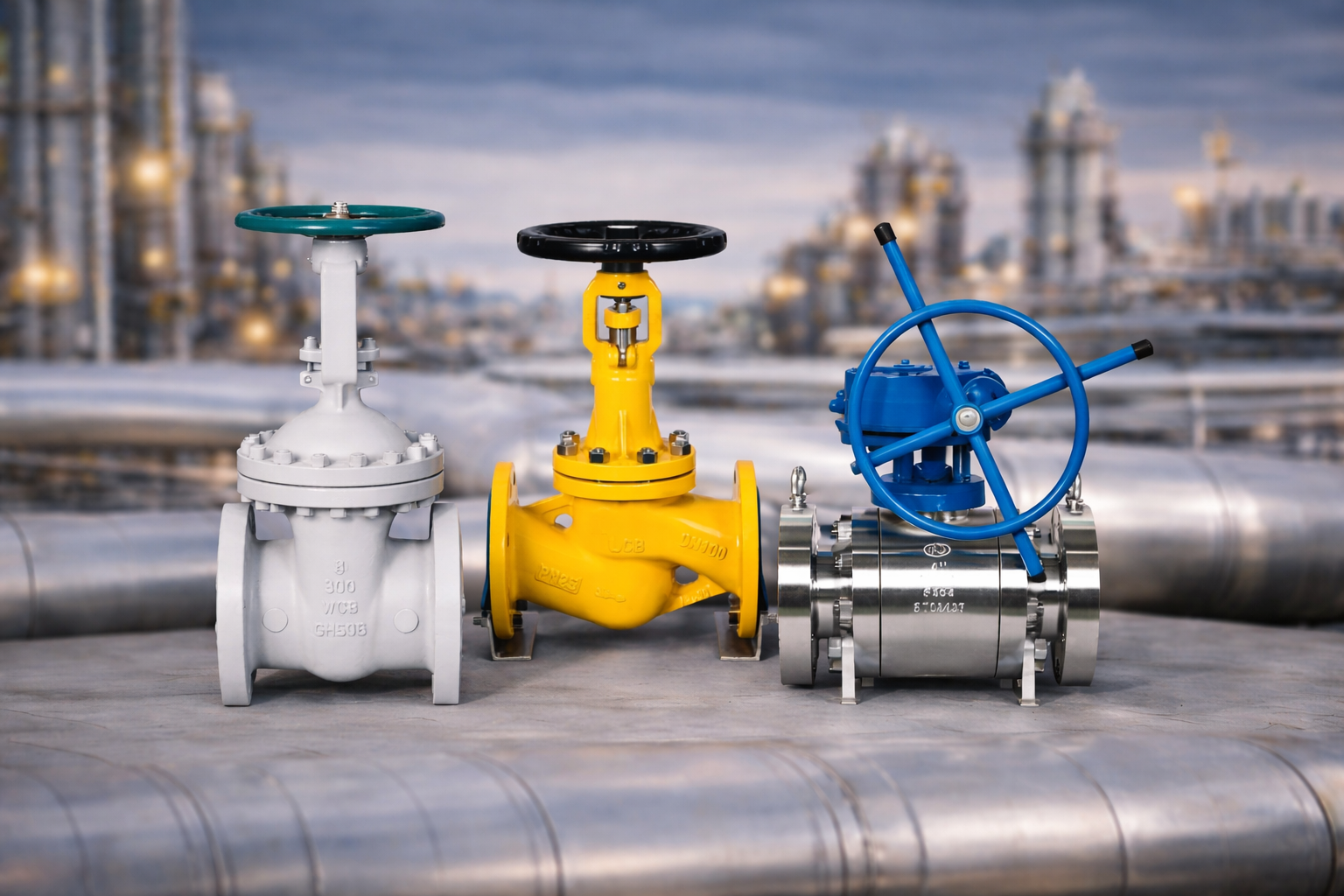
Industrial valves may look simple from the outside, but they are critical components in almost every industrial system. From oil & gas pipelines to water treatment plants and chemical facilities, the right valve ensures safe operation, efficient flow control, and long service life.
In this guide, we break down the six most common types of industrial valves, explain how they work, and—most importantly—when you should use each one.
1. Gate Valves
Best for: Full Open / Full Close Applications
Gate valves are designed for on-off service, not flow regulation. Inside the valve, a gate moves vertically to either block the flow completely or allow full passage.
Typical applications
- Water transmission pipelines
- Oil & gas main lines
- Power plants
Why choose a gate valve
- Minimal pressure loss when fully open
- Good sealing for isolation
Things to note
- Not suitable for throttling
- Slower operation compared to quarter-turn valves
- Require larger installation space
- Wear during frequent operation
Use gate valves when you need reliable isolation, not flow control.
2. Globe Valves
Best for: Accurate Flow Regulation
Globe valves are ideal when precise control of flow rate is required. Their internal design forces the fluid to change direction, allowing fine adjustment.
Typical applications
- Steam systems
- Boiler feedwater
- Chemical process lines
Why choose a globe valve
- Excellent throttling capability
- Stable and predictable control
Things to note
- Higher pressure drop
- More complex internal structure
- limited to smaller pipe sizes
Choose globe valves when control accuracy matters more than efficiency.
3. Ball Valves
Best for: Fast and Tight Shut-Off
Ball valves use a rotating ball with a bore through the center. A quarter-turn opens or closes the valve, making it fast and easy to operate.
Typical applications
- Oil & gas facilities
- Chemical plants
- Compressed air systems
Why choose a ball valve
- Quick operation
- Excellent sealing performance
- Low maintenance
Things to note
- Standard designs are not ideal for precise throttling
- Seat damage risk if used partially open with high velocity flow
- Thermal expansion risk if trapped media is not properly vented
- Larger size and cost
Ball valves are the go-to choice for quick isolation and emergency shut-off.
4. Butterfly Valves
Best for: Large Diameter & Space-Limited Systems
Butterfly valves use a rotating disk inside the pipe to control flow. They are compact, lightweight, and cost-effective—especially in large sizes.
Typical applications
- Water treatment plants
- HVAC systems
- Fire protection pipelines
Why choose a butterfly valve
- Lightweight and compact
- Lower cost for large diameters
- Easy to automate
Things to note
- The disk remains in the flow path
- Sealing depends on valve design and seat material
- Lower pressure and temperature limits
- Not suitable for severe or high-differential pressure services
Butterfly valves are ideal for large pipelines with moderate pressure requirements.
5. Check Valves
Best for: Preventing Backflow
Check valves work automatically—they allow flow in one direction and close when flow reverses. No manual operation or actuator is required.
Typical applications
- Pump discharge lines
- Water supply systems
- Oil & gas pipelines
Why choose a check valve
- Protects pumps and equipment
- Simple and reliable operation
Things to note
- No flow control capability
- Improper selection can cause pressure surges
- Difficult to inspect during operation
Check valves are essential for system protection and safety.
6. Plug Valves
Best for: Slurry, Viscous, or Corrosive Media
Plug valves use a cylindrical or tapered plug to control flow. Their simple design makes them suitable for difficult or dirty media.
Typical applications
- Chemical processing
- Mining operations
- Wastewater treatment
Why choose a plug valve
- Simple and robust design
- Good performance with abrasive or viscous fluids
Things to note
- Higher operating torque
- Some designs require lubrication
- Higher actuator cost
Plug valves are reliable solutions for harsh service conditions.
How to Choose the Right Industrial Valve
Before selecting a valve, consider these key factors:
- Media: water, steam, oil, gas, corrosive chemicals
- Pressure & temperature
- Function: isolation or flow control
- Operation: manual, electric, pneumatic
- Standards & certifications: API, ANSI, ISO
There is no universal “best valve”—only the right valve for the right application.
Final Thoughts
Understanding the six main types of industrial valves helps engineers, EPC contractors, and buyers make better decisions, reduce downtime, and improve system reliability. A well-chosen valve can save significant costs over the lifetime of a project.
Latest news

Leadership Philosophy
February 14, 2025
Read more
Major Mission
December 25, 2024
Read more
Market Trends in the Valve Industry: Key Developments and Projections for the Next Five Years
December 26, 2024
Read more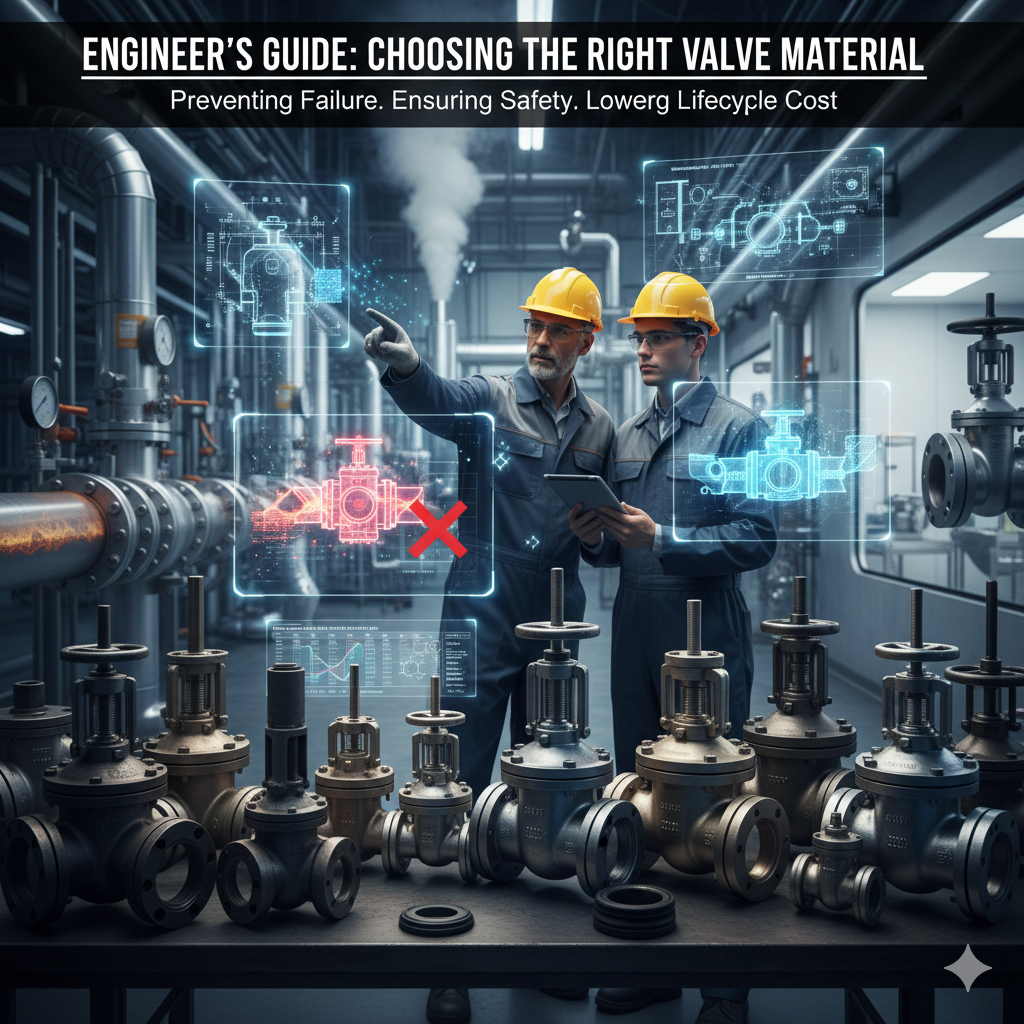
Most Valve Failures Are Material Failures, Not Design Failures
December 29, 2025
Read moreThe Six Main Types of Industrial Valves — and When to Use Them
December 30, 2025
Read more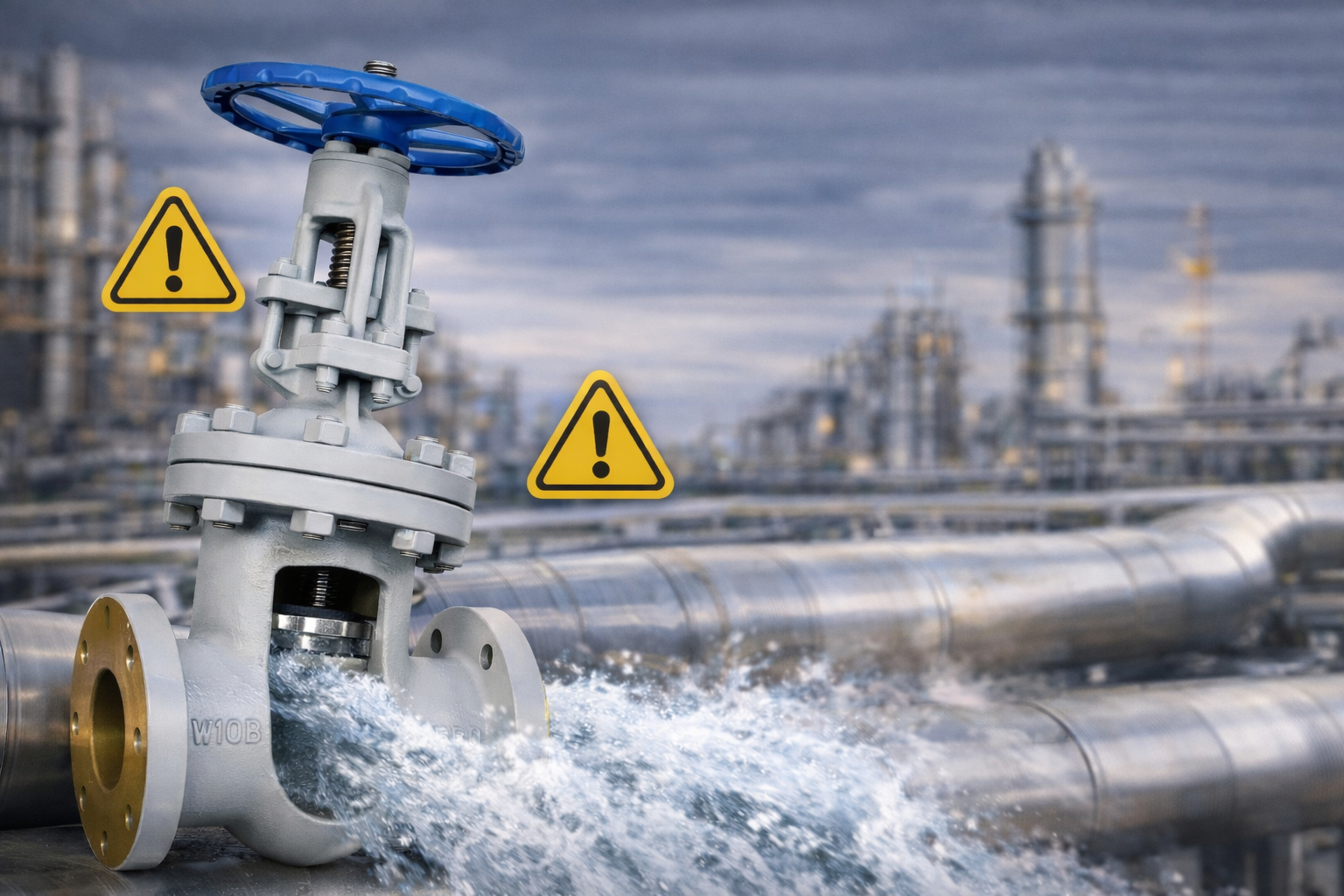
Why Gate Valves Should Not Be Used for Throttling
December 30, 2025
Read more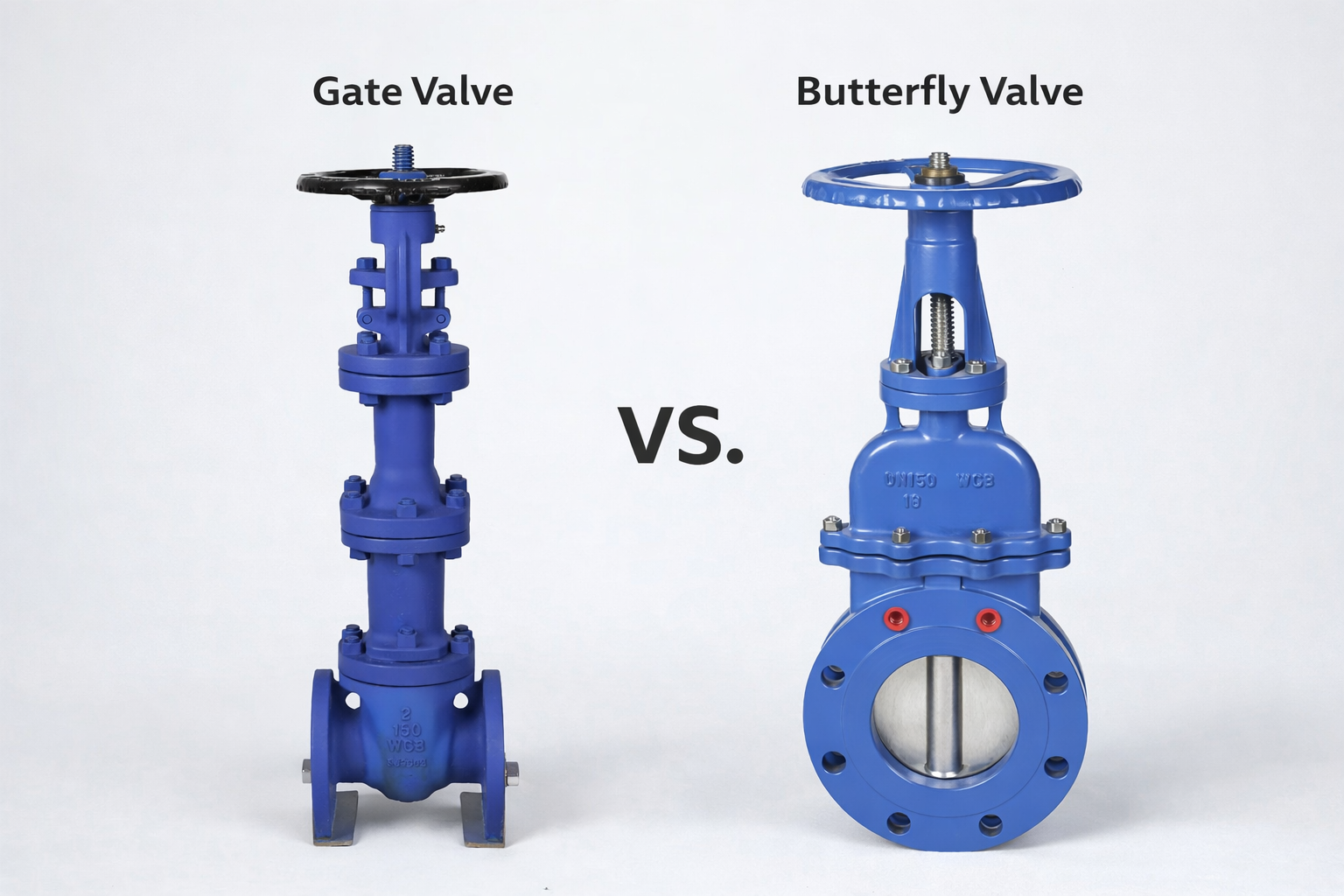
Butterfly vs Gate Valves: Choosing the Right Valve for Large Pipelines
January 1, 2026
Read more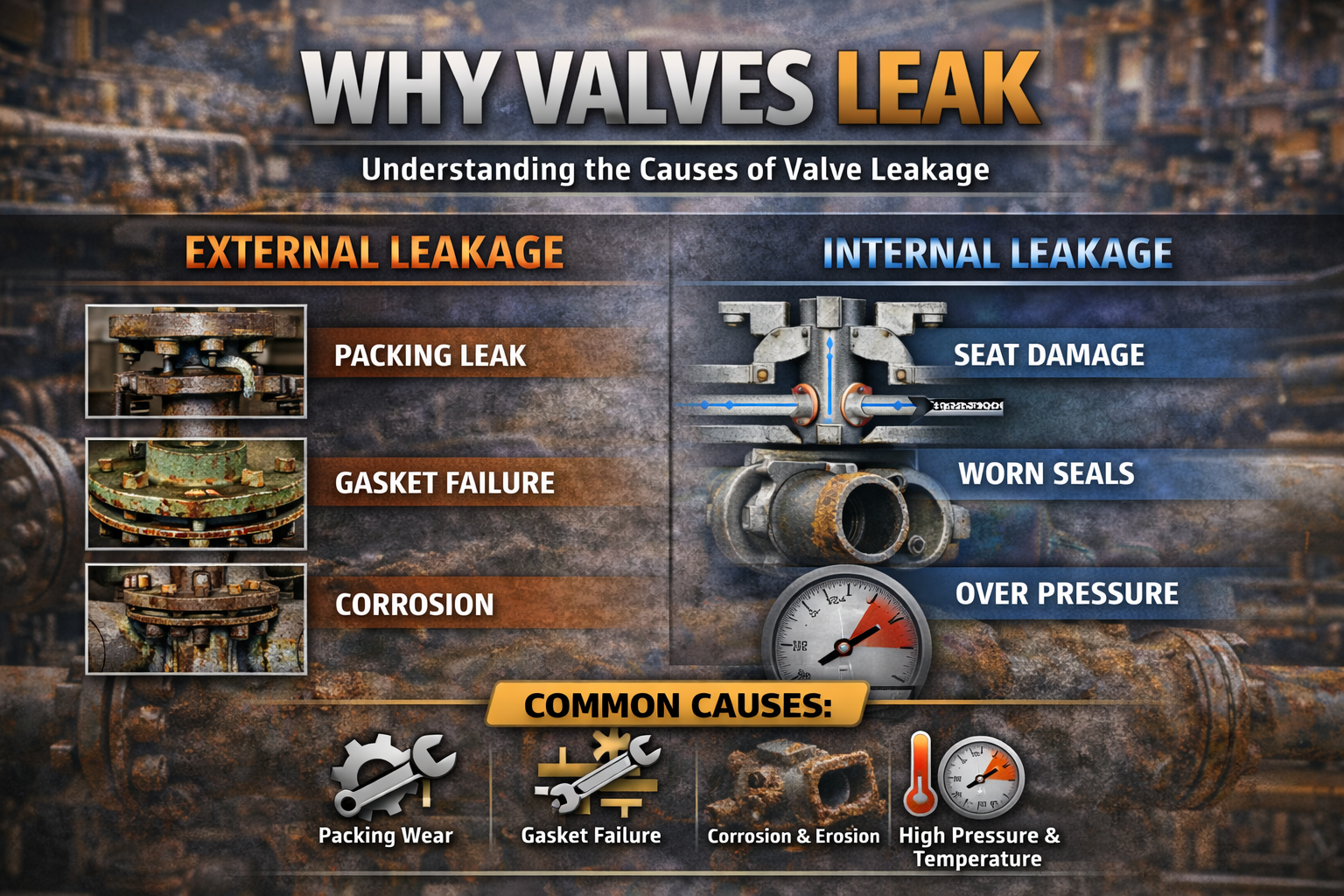
Why Valves Leak: The Real Reasons Behind a Common Industrial Problem
January 2, 2026
Read more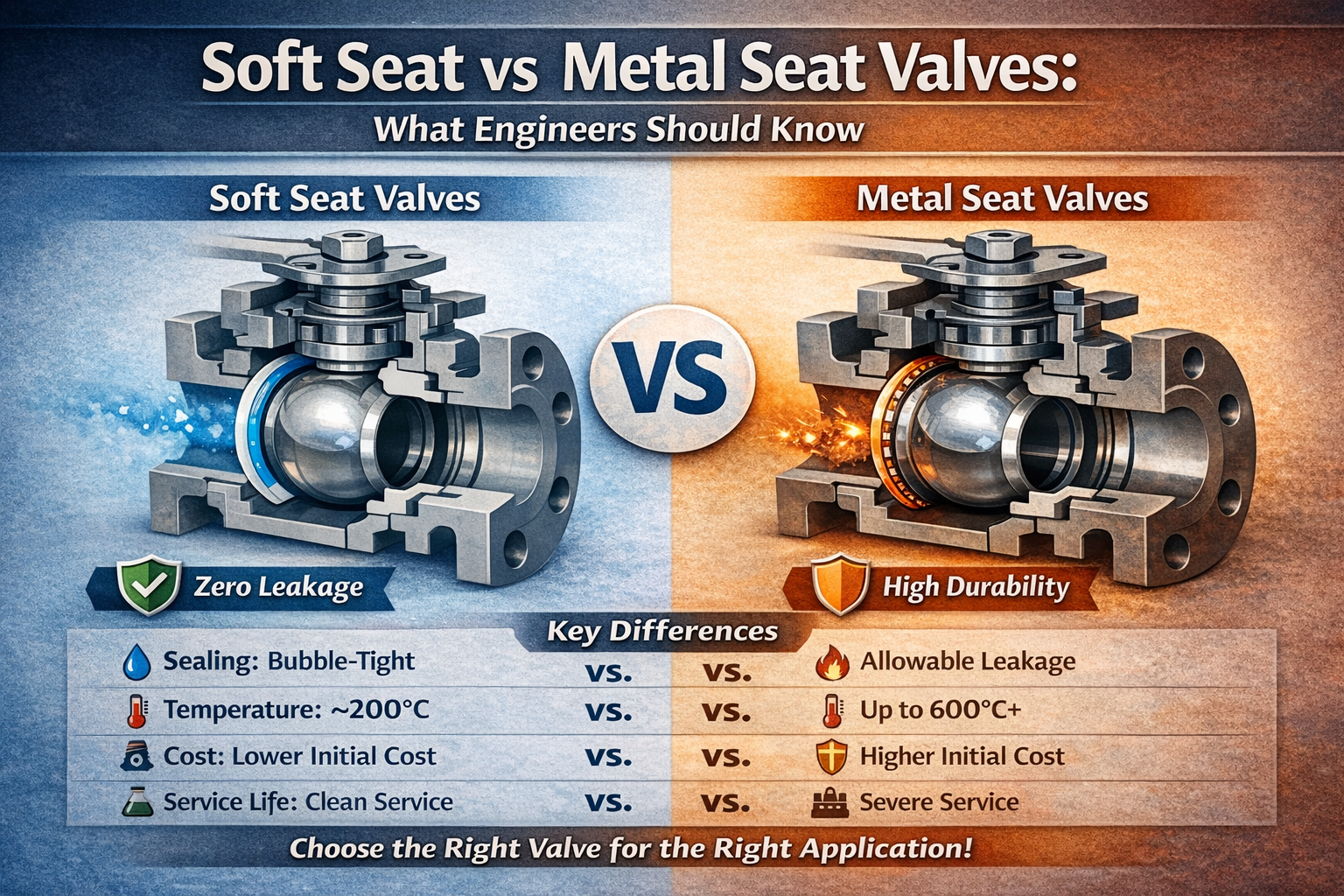
Soft Seat vs Metal Seat Valves: What Engineers Should Know
January 3, 2026
Read more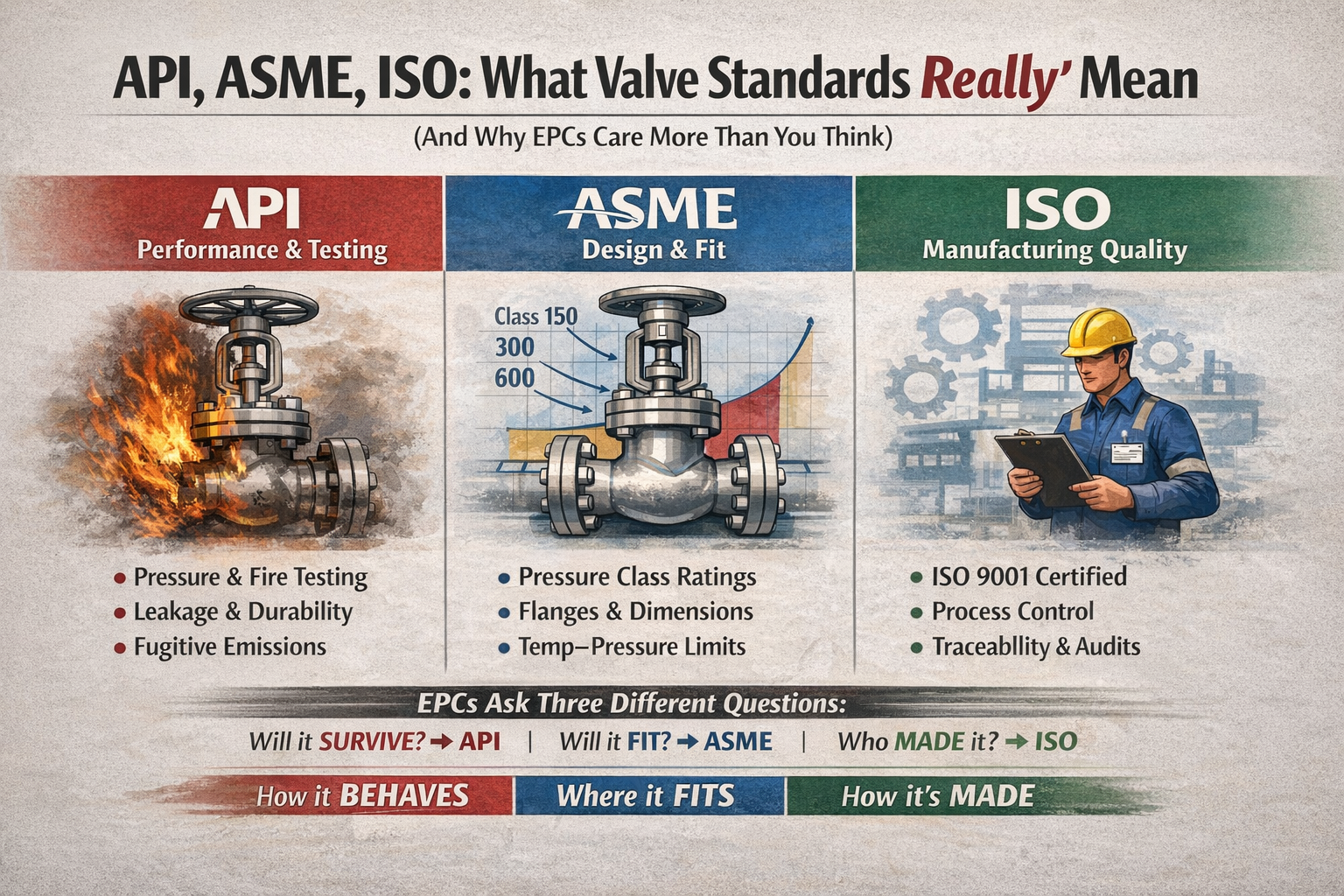
API, ASME, ISO: What Valve Standards Really Mean
January 4, 2026
Read more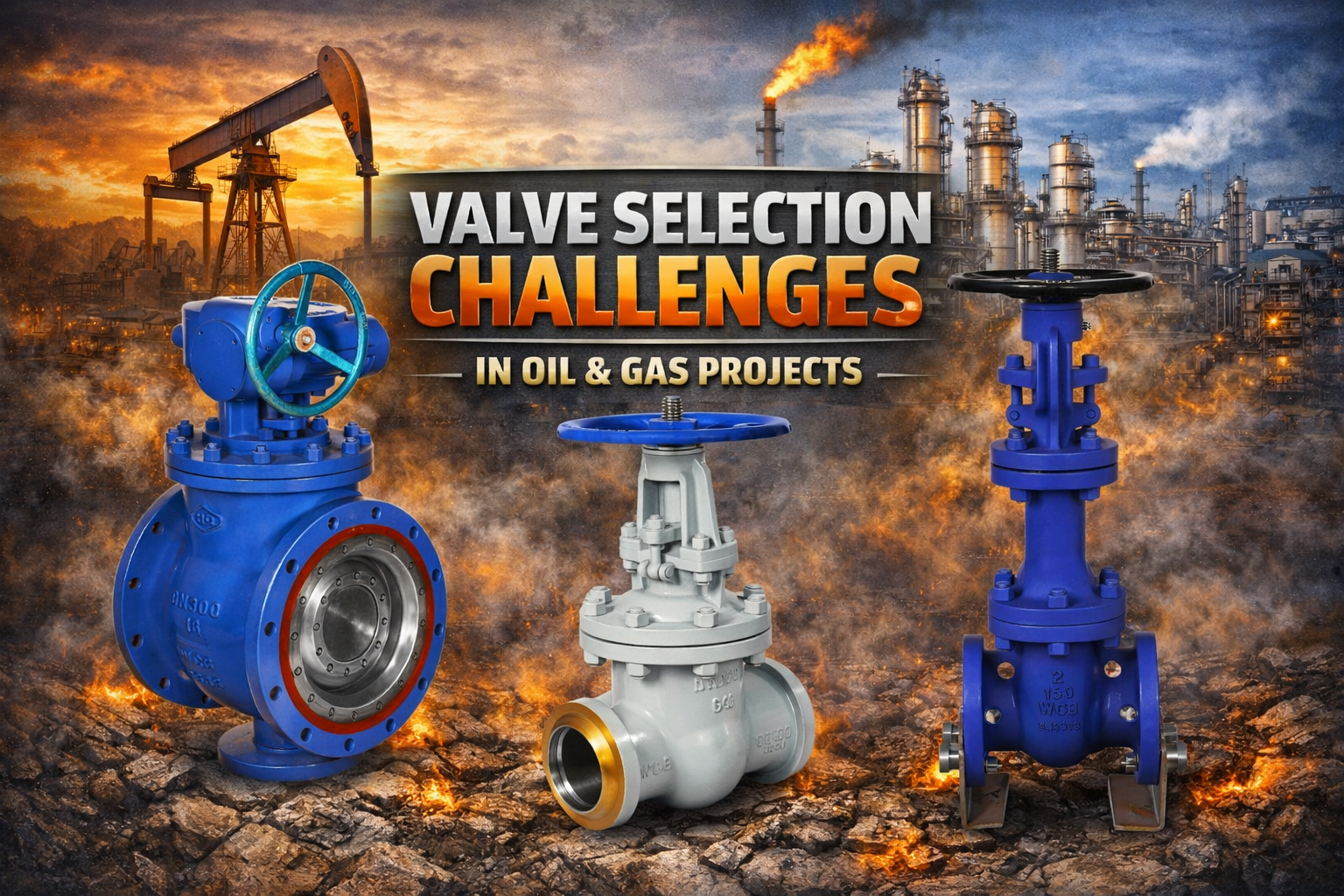
Valve Selection Challenges in Oil & Gas Projects
January 5, 2026
Read more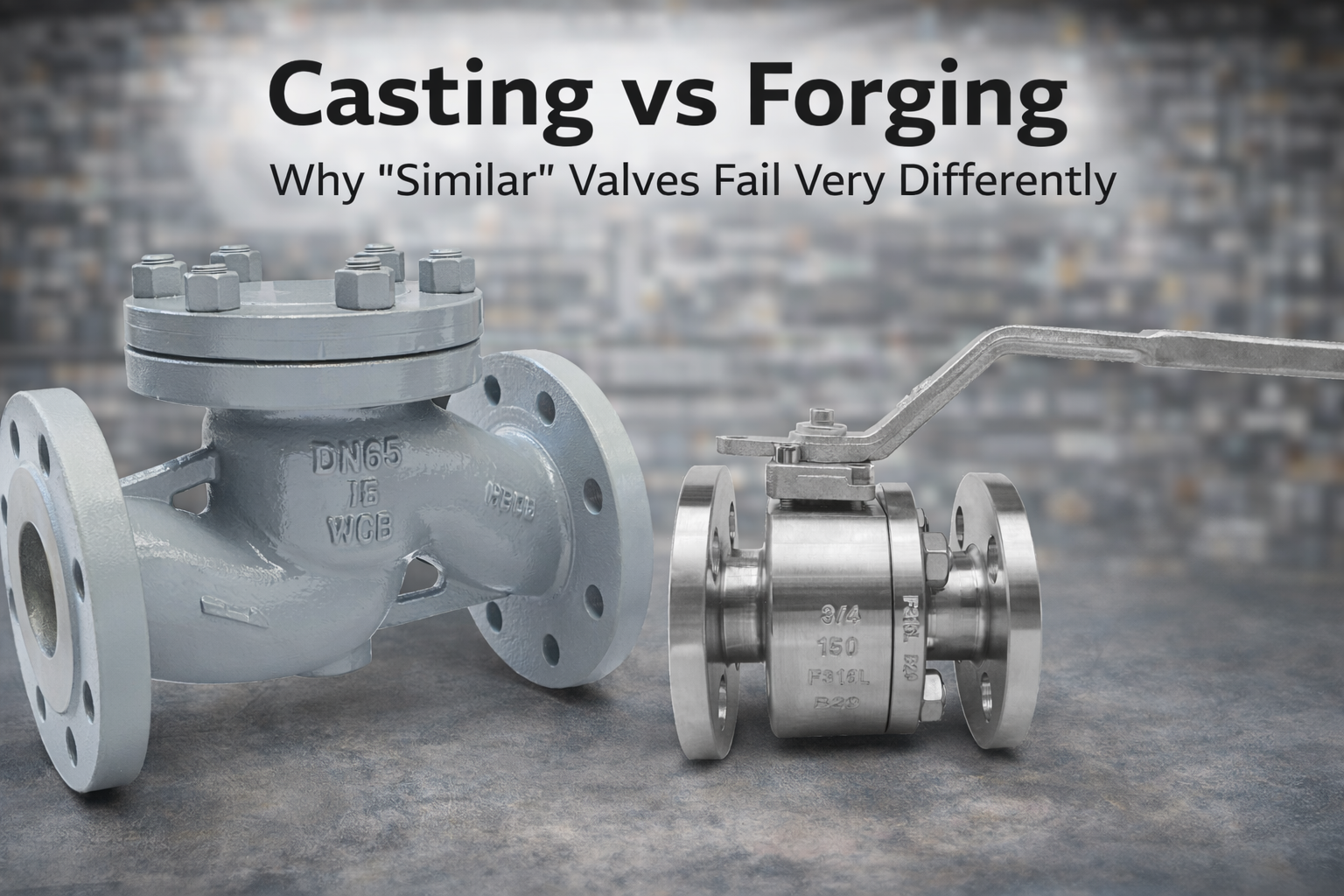
Casting vs Forging
January 6, 2026
Read more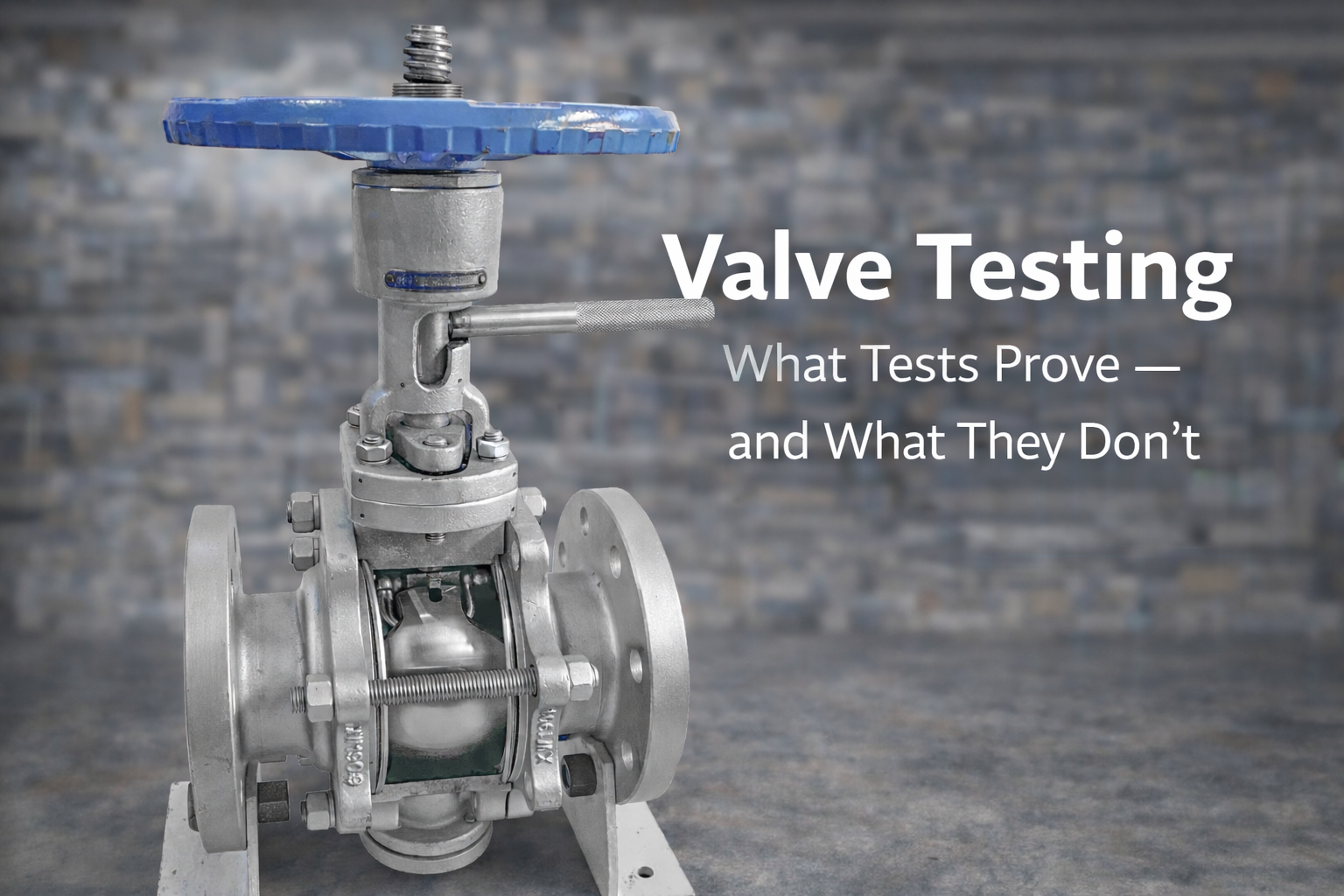
Valve Testing: What Tests Prove — and What They Don’t
January 8, 2026
Read more
10 Things Nobody Told You About Being a Web Designer
June 21, 2024
Read more
5 Web Design Blogs You Should Be Reading
June 21, 2024
Read more
7 Ways To Improve Website Usability And Accessibility
June 21, 2024
Read more
20 Myths About Web Design
June 28, 2024
Read more
Designers Who Changed the Web
June 21, 2024
Read more
The History Of Web Design
June 21, 2024
Read more
10 Great Examples of Responsive Websites
June 21, 2024
Read more
10 Quick Tips About Blogging
June 21, 2024
Read more
7 of the Best Examples of Beautiful Blog Design
June 21, 2024
Read more
