Create:
June 21, 2024
Butterfly vs Gate Valves: Choosing the Right Valve for Large Pipelines
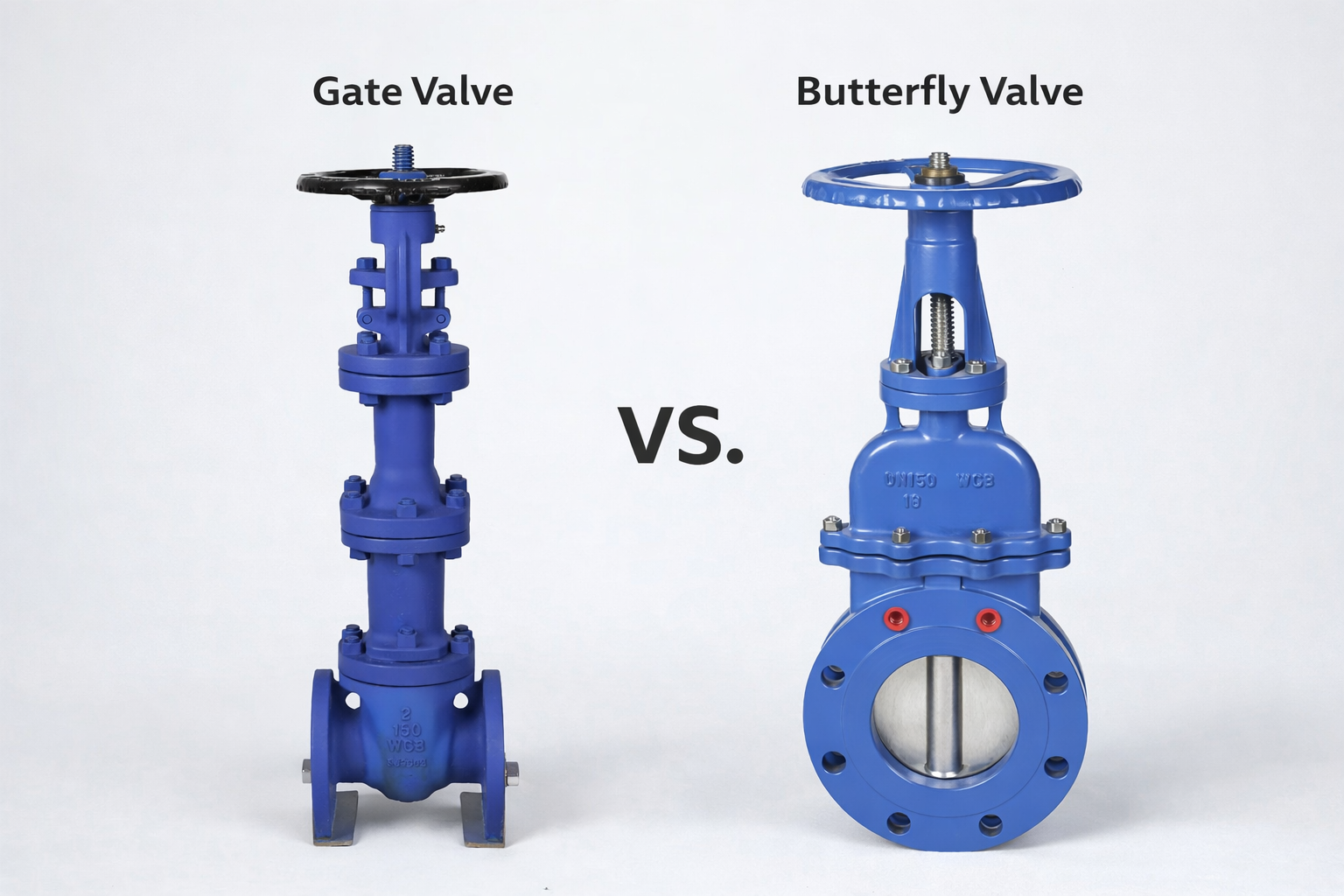
When designing or upgrading large-diameter pipeline systems, valve selection has a direct impact on cost, operability, reliability, and long-term maintenance. Two of the most commonly considered options are butterfly valves and gate valves.
Although both serve isolation purposes, they behave very differently—especially as pipeline sizes increase. This article breaks down how each valve works, where each excels, and which one makes more sense for large pipelines such as water transmission lines, cooling water systems, and utility networks.
1. Basic Working Principles
Butterfly Valve
A butterfly valve uses a rotating disc mounted on a central shaft.
- Turning the actuator 90° rotates the disc from fully open to fully closed
- The disc remains inside the flow path even when fully open
Gate Valve
A gate valve uses a linear-moving gate that lifts completely out of the flow path.
- The gate moves up and down via a rising or non-rising stem
- When fully open, the valve provides an unobstructed bore
2. Size, Weight, and Space Requirements
Butterfly Valves
✔ Compact face-to-face dimension
✔ Much lighter weight
✔ Easier to transport and install in DN600+ pipelines
Gate Valves
✖ Very heavy in large diameters
✖ Require more vertical clearance
✖ Installation often needs lifting equipment and reinforced supports
Winner for large pipelines: Butterfly valve
3. Cost Considerations (Especially DN500 and Above)
As pipeline diameter increases, cost differences between butterfly valves and gate valves become more pronounced, especially in large-scale infrastructure projects.
Butterfly Valves – Cost Advantages
- Require significantly less raw material, especially in large diameters
- More compact design reduces casting and machining costs
- Lower valve weight results in cheaper transportation and installation
- Shorter face-to-face dimension reduces civil and piping support costs
- Lower actuator cost due to quarter-turn operation
- Overall lower lifecycle cost (purchase + installation + maintenance)
Gate Valves – Higher Cost Drivers
- Large body and gate require much more metal in DN500+ sizes
- Complex structure increases manufacturing and machining costs
- Heavy weight leads to higher transport, lifting, and installation expenses
- Often require larger actuators or gearboxes, increasing total package cost
- Maintenance and part replacement are more labor-intensive and expensive
Practical takeaway:
For DN600–DN2000 pipelines, a gate valve can cost 2–4 times more than a butterfly valve, making butterfly valves the preferred choice for budget-sensitive large pipeline projects.
4. Flow Characteristics & Pressure Loss
Gate Valves
✔ Full bore when open
✔ Minimal pressure drop
✔ Ideal where head loss must be minimized
Butterfly Valves
✖ Disc causes some flow obstruction
✖ Higher pressure drop than gate valves
✔ Acceptable for most water and utility systems
Winner for minimal pressure loss: Gate valve
5. Operation Speed & Automation
Butterfly Valves
✔ Quarter-turn operation
✔ Fast opening and closing
✔ Excellent for electric or pneumatic actuators
Gate Valves
✖ Multiple turns required
✖ Slower operation
✖ Less ideal for frequent cycling
Winner for automation and control: Butterfly valve
6. Maintenance & Reliability
Butterfly Valves
✔ Fewer moving parts
✔ Easier seal replacement
✔ Lower maintenance cost
Gate Valves
✖ Stem and gate wear over time
✖ Sealing surfaces prone to damage
✖ Maintenance is more labor-intensive
Winner for ease of maintenance: Butterfly valve
7. Typical Applications in Large Pipelines
Butterfly Valves Are Commonly Used In:
- Municipal water transmission
- Cooling water systems
- Fire protection mains
- Large HVAC and utility pipelines
Gate Valves Are Still Preferred In:
- Systems requiring full bore flow
- Applications with infrequent operation
- Locations where pressure loss is critical
Final Recommendation
Choose a Butterfly Valve if:
- Pipe size is large (DN500+)
- Space and weight matter
- Budget is a concern
- Automation or frequent operation is required
Choose a Gate Valve if:
- Full bore flow is mandatory
- Pressure loss must be minimized
- Operation frequency is very low
Bottom Line
For most large-diameter pipeline projects, butterfly valves are the practical, economical, and modern choice. Gate valves still have their place—but in large pipelines, they are increasingly reserved for specific technical requirements rather than default selection.
Latest news

Leadership Philosophy
February 14, 2025
Read more
Major Mission
December 25, 2024
Read more
Market Trends in the Valve Industry: Key Developments and Projections for the Next Five Years
December 26, 2024
Read more
Most Valve Failures Are Material Failures, Not Design Failures
December 29, 2025
Read more
The Six Main Types of Industrial Valves — and When to Use Them
December 30, 2025
Read more
Why Gate Valves Should Not Be Used for Throttling
December 30, 2025
Read moreButterfly vs Gate Valves: Choosing the Right Valve for Large Pipelines
January 1, 2026
Read more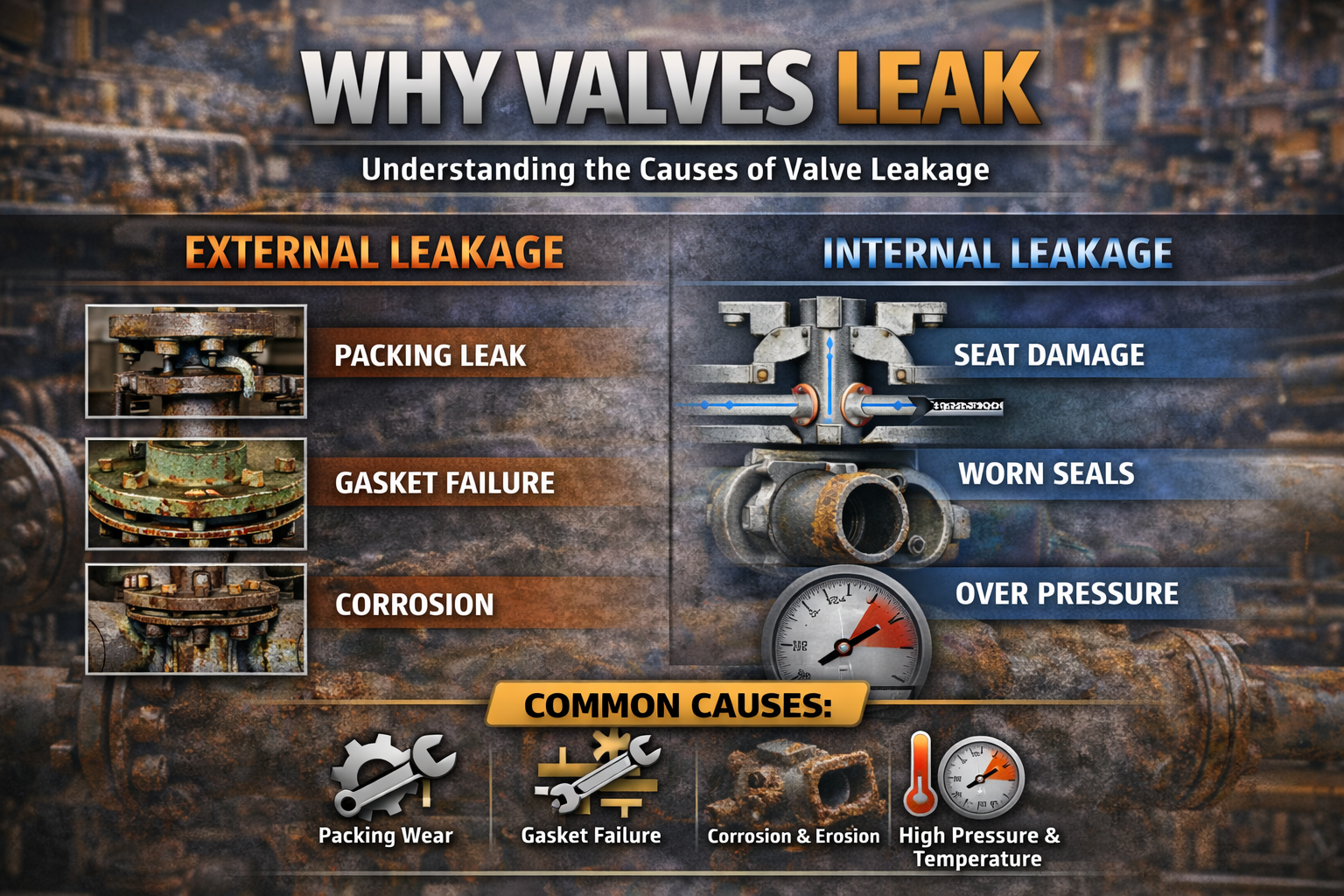
Why Valves Leak: The Real Reasons Behind a Common Industrial Problem
January 2, 2026
Read more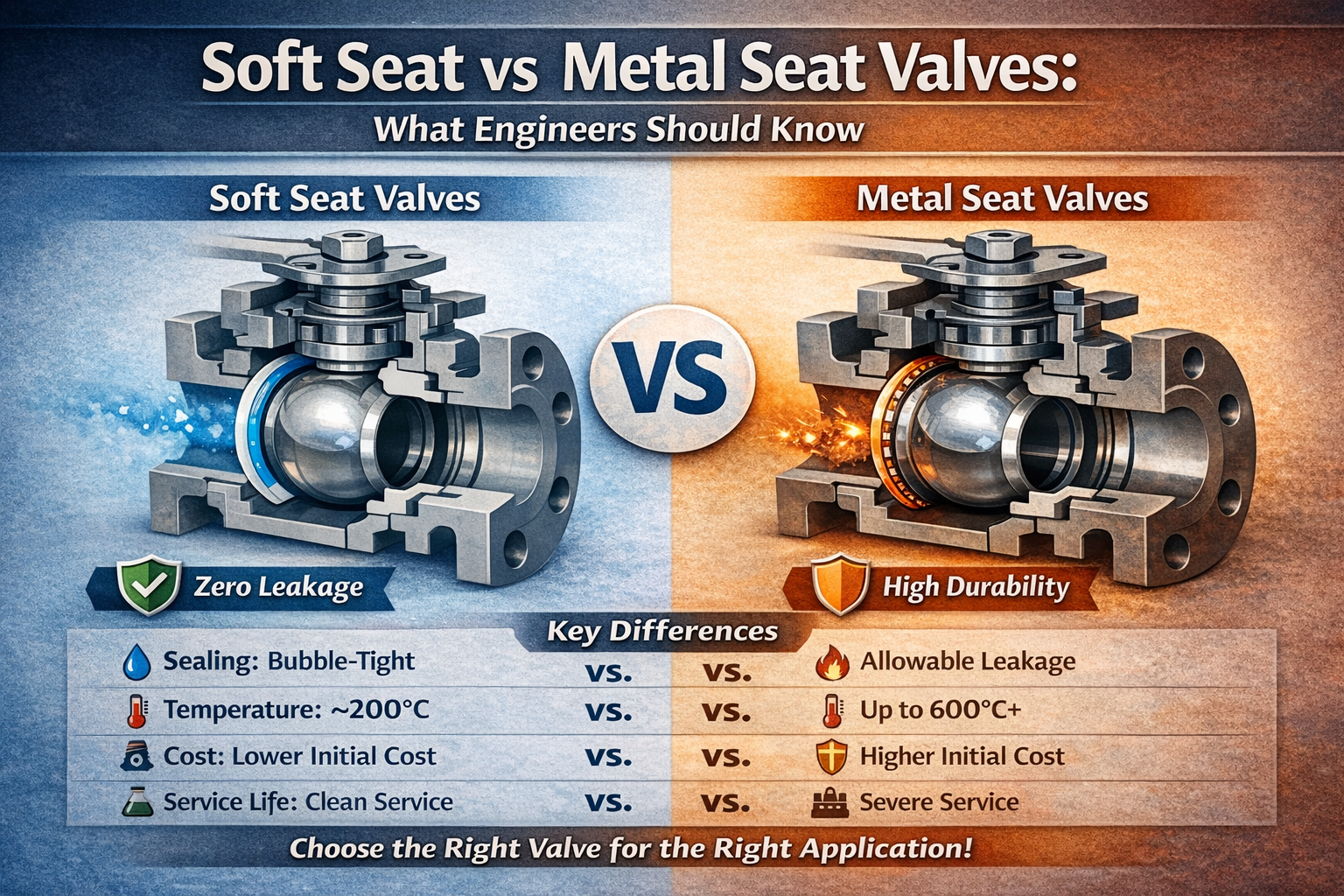
Soft Seat vs Metal Seat Valves: What Engineers Should Know
January 3, 2026
Read more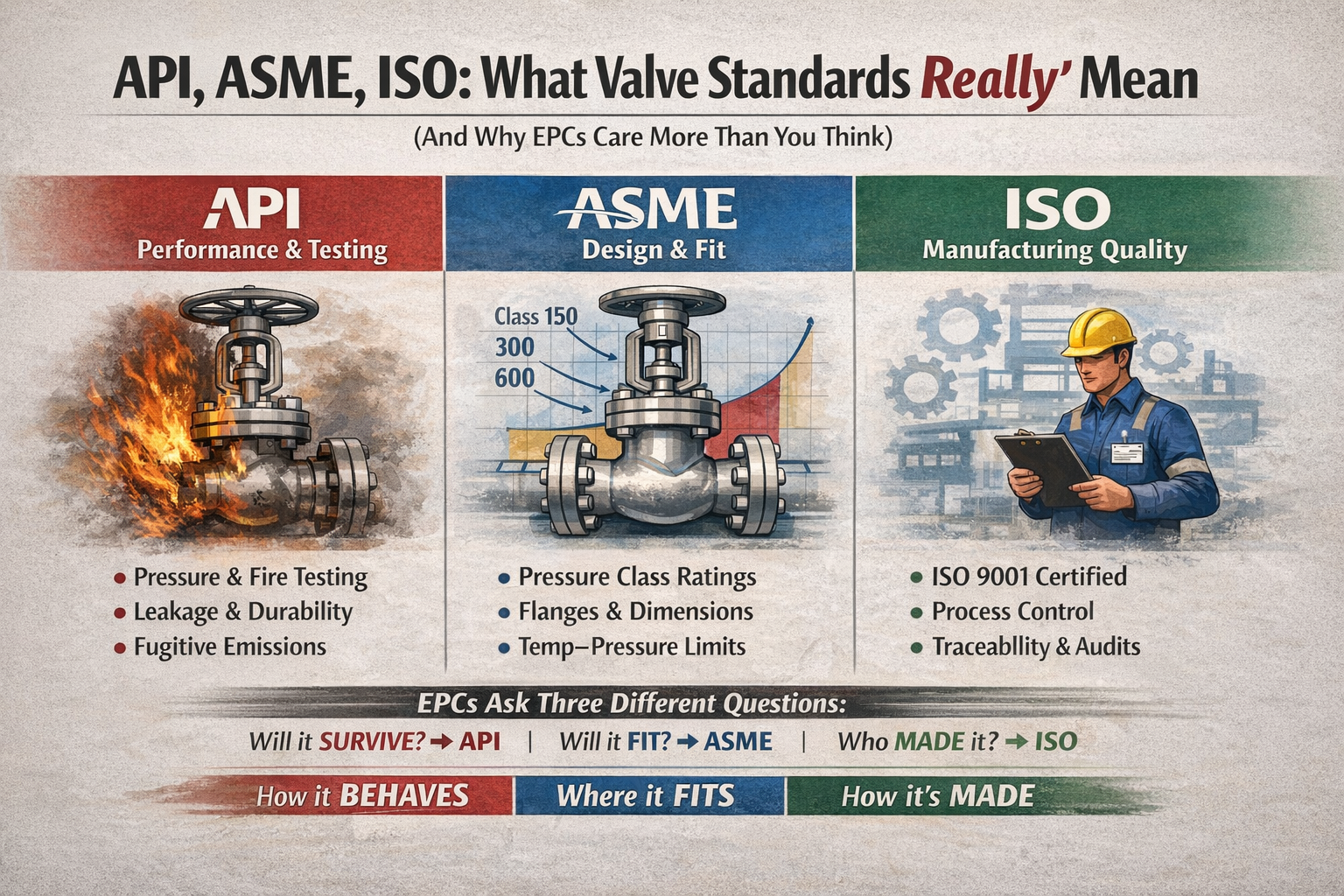
API, ASME, ISO: What Valve Standards Really Mean
January 4, 2026
Read more
Valve Selection Challenges in Oil & Gas Projects
January 5, 2026
Read more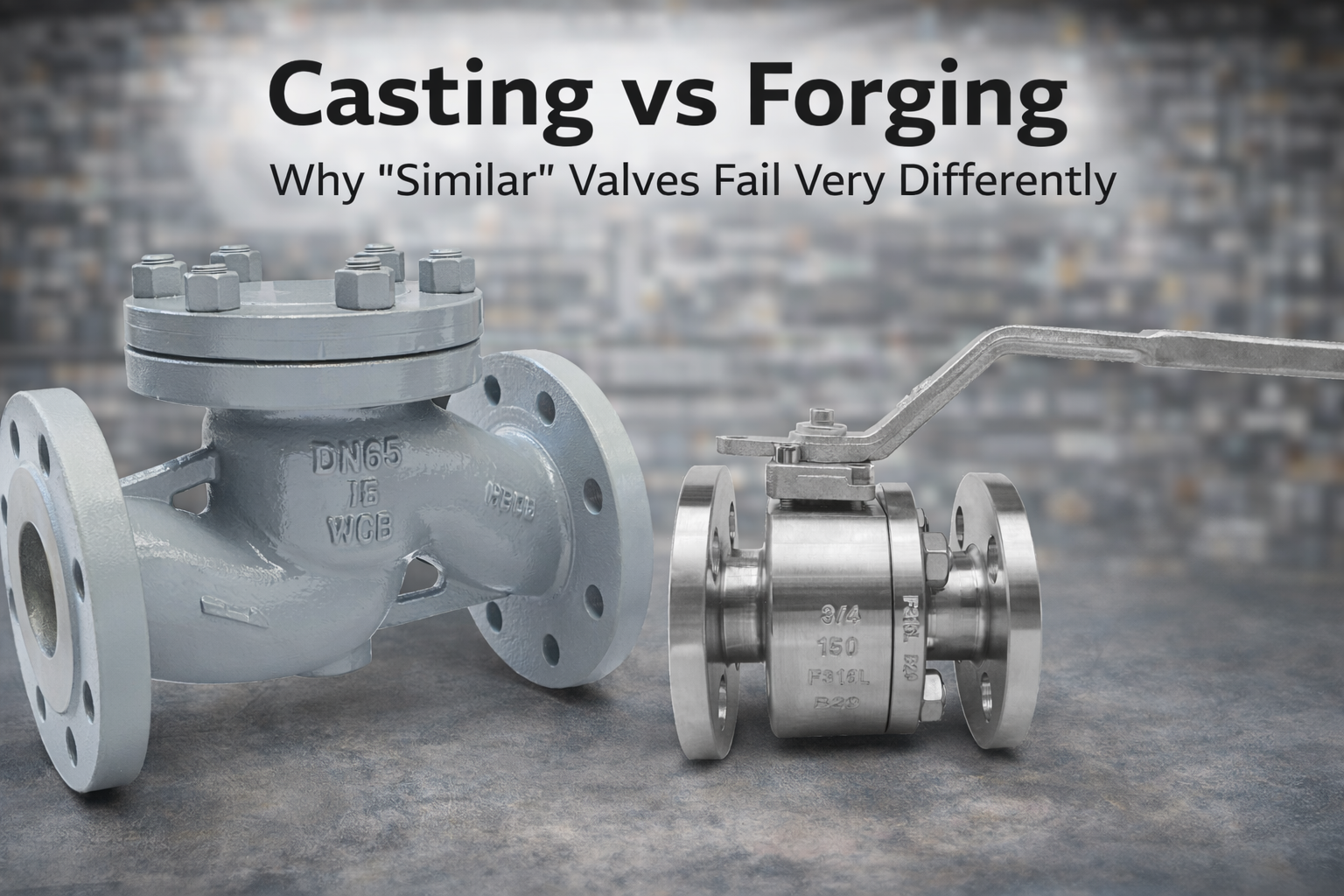
Casting vs Forging
January 6, 2026
Read more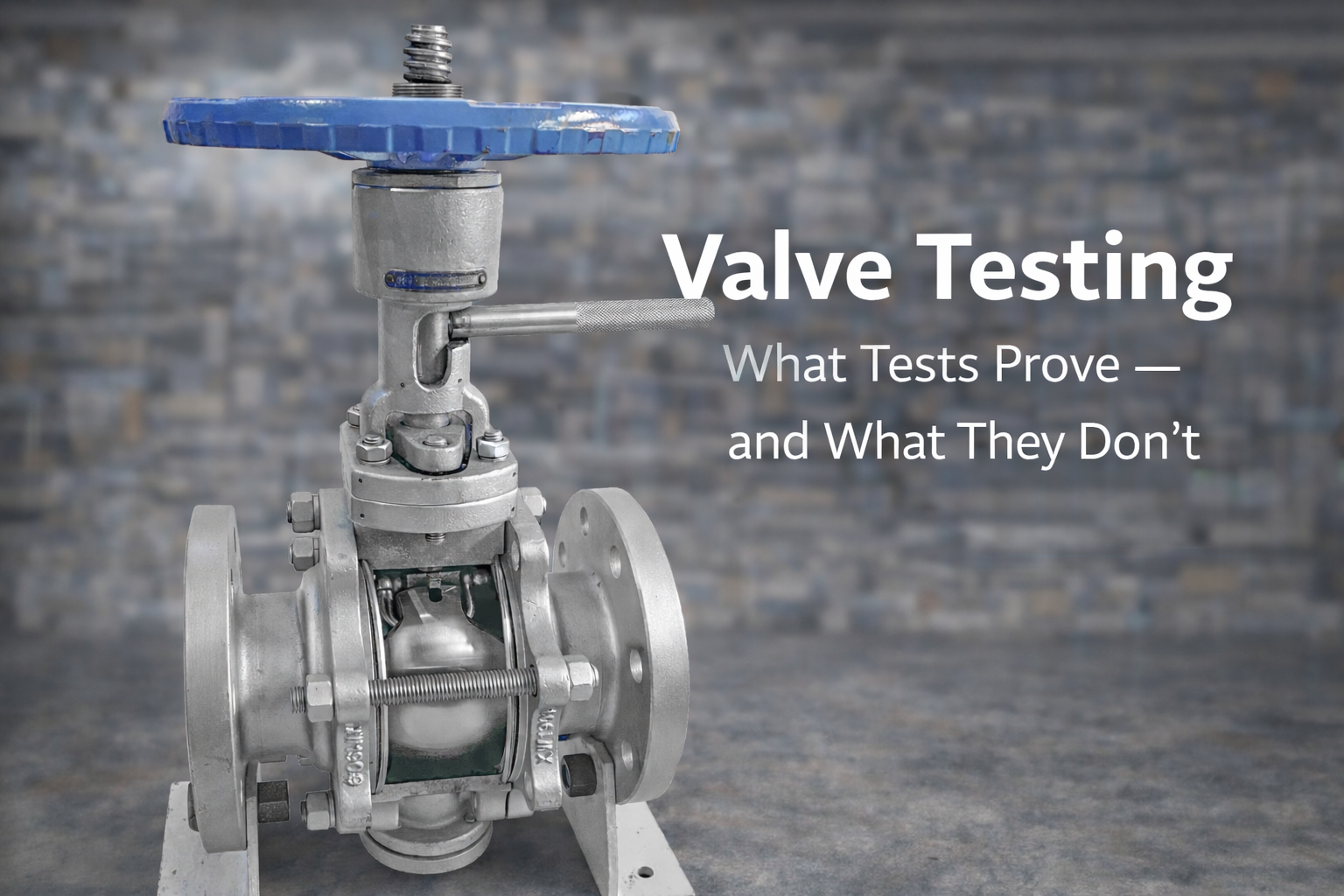
Valve Testing: What Tests Prove — and What They Don’t
January 8, 2026
Read more
10 Things Nobody Told You About Being a Web Designer
June 21, 2024
Read more
5 Web Design Blogs You Should Be Reading
June 21, 2024
Read more
7 Ways To Improve Website Usability And Accessibility
June 21, 2024
Read more
20 Myths About Web Design
June 28, 2024
Read more
Designers Who Changed the Web
June 21, 2024
Read more
The History Of Web Design
June 21, 2024
Read more
10 Great Examples of Responsive Websites
June 21, 2024
Read more
10 Quick Tips About Blogging
June 21, 2024
Read more
7 of the Best Examples of Beautiful Blog Design
June 21, 2024
Read more
